Everest Base Camp: Nepal's Most Famous Trekking Destination
By Nepal Trekking Trail On 07 Sep 2026
Quick Contact
By Nepal Trekking Trail On 07 Sep 2026
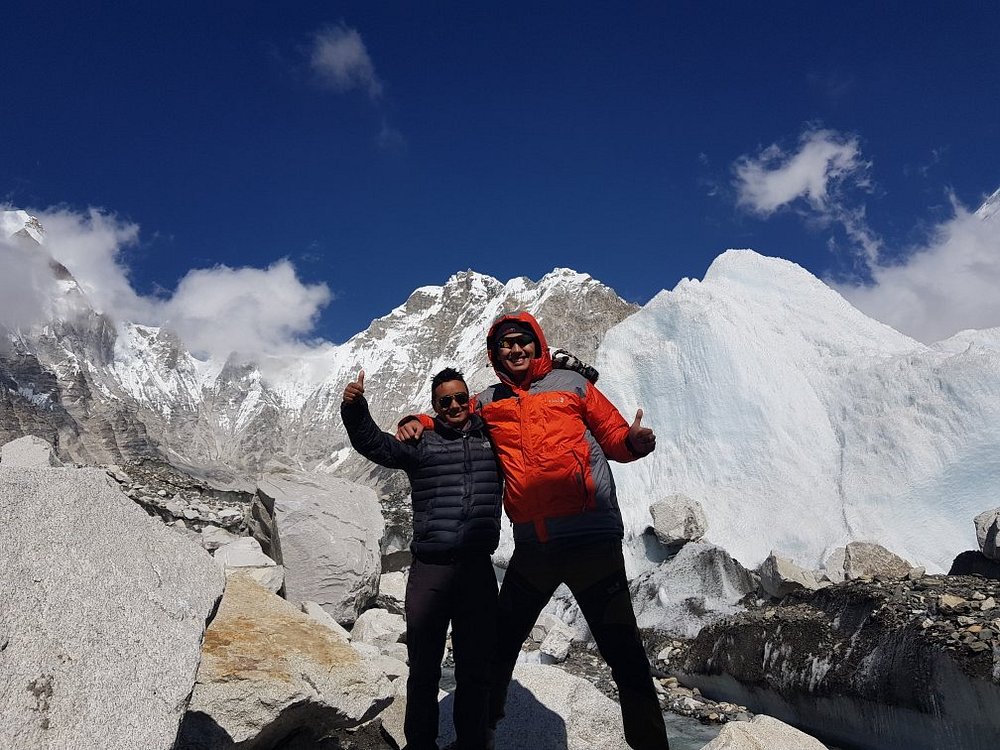
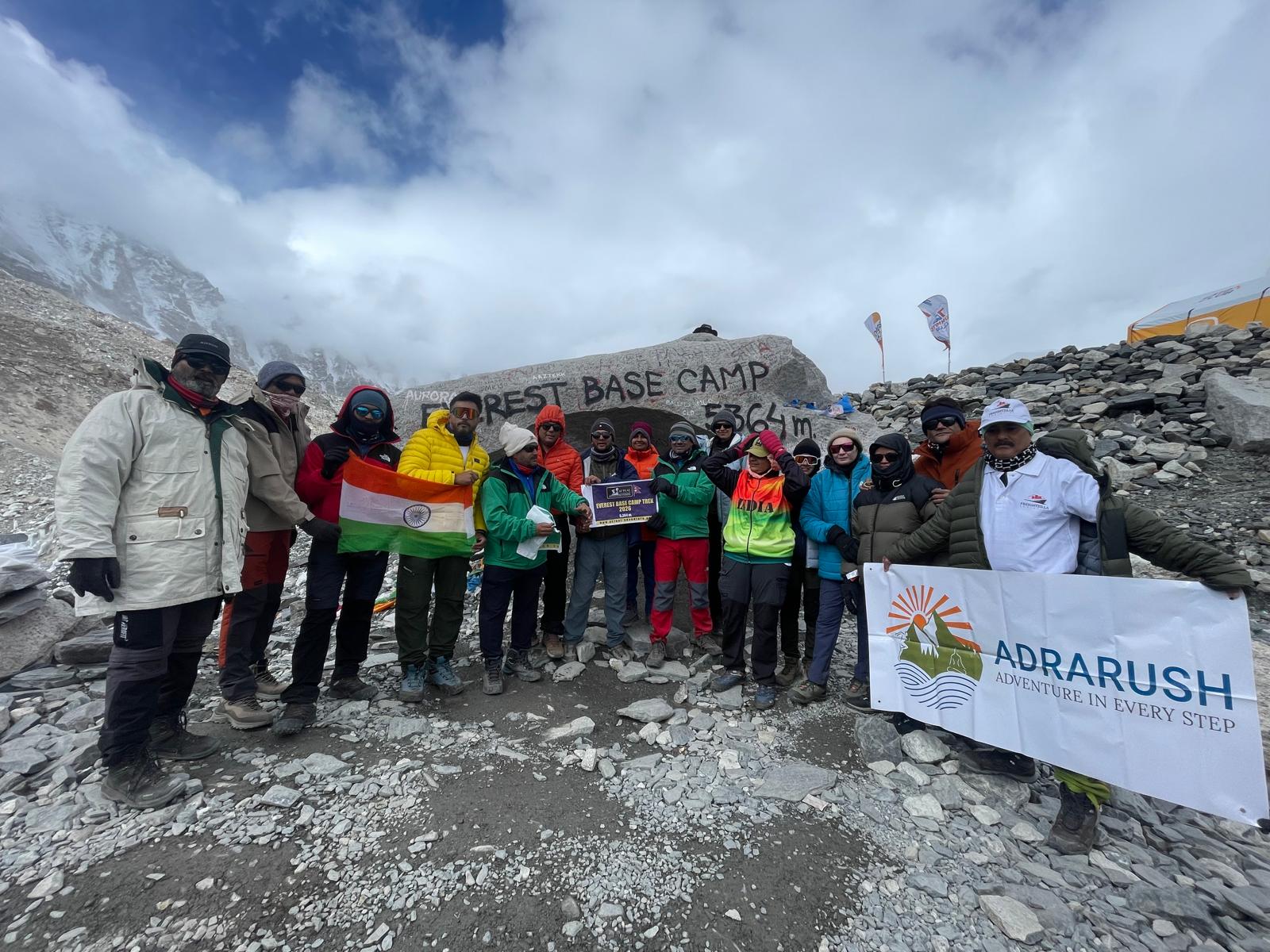
Ask any trekker to name one place in Nepal, and odds are they'll say Everest Base Camp. Tucked deep in the Khumbu region of the Nepalese Himalayas, this legendary trail draws thousands of adventurers every year — not because it requires technical climbing skill, but because it offers something rarer: the chance to stand at the foot of the tallest mountain on Earth.
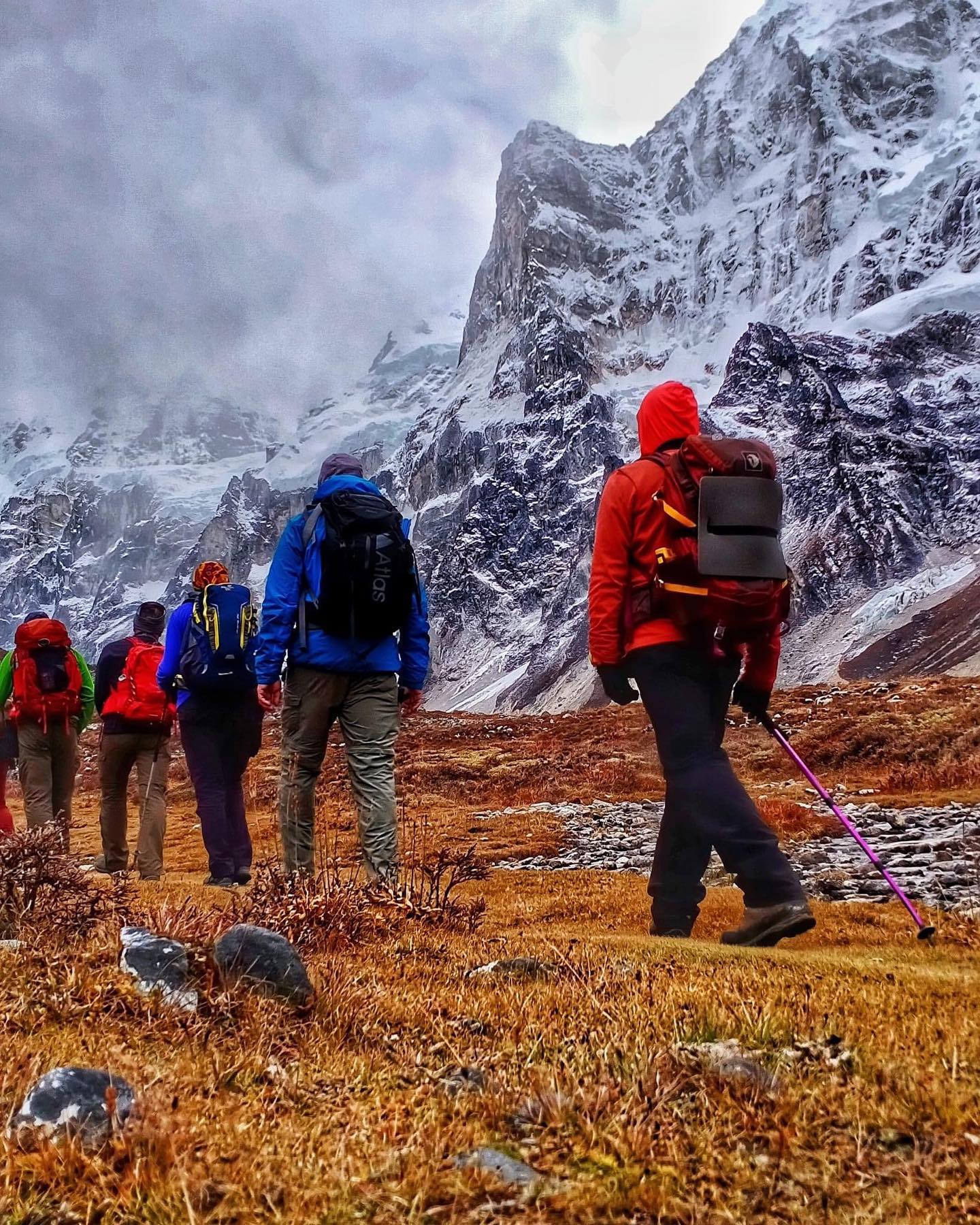
At 5,364 meters (17,598 ft), Everest Base Camp (EBC) isn't the highest point trekkers can reach in Nepal, but it is the most iconic. The route winds through Sagarmatha National Park, a UNESCO World Heritage Site, and passes through Sherpa villages where mountaineering culture and Buddhist tradition still shape daily life. Along the way, trekkers pass prayer flag-draped monasteries, cross high suspension bridges, and gradually acclimatize to thinning air as the world's highest peaks — Everest, Lhotse, Nuptse, and Ama Dablam — rise into view.
The trek typically takes 12–14 days round trip from Lukla, and it's part of the reason people travel from every corner of the globe to walk through the same valleys that early Everest expeditions once used as a launching point.
Sherpa culture and hospitality. The Khumbu is home to the Sherpa people, renowned for their mountaineering heritage and warmth toward visitors. Villages like Namche Bazaar and Tengboche serve as cultural hubs along the route, home to bustling markets, monasteries, and teahouses.
Sagarmatha National Park. This UNESCO-listed park protects some of the most dramatic alpine scenery on the planet, along with rare wildlife like the snow leopard and Himalayan tahr.
Kala Patthar sunrise. Many trekkers detour to this viewpoint above Gorak Shep for one of the most celebrated sunrise panoramas in the world, with Everest's summit catching the first light of day.
A well-developed teahouse system. Unlike more remote Himalayan routes, the EBC trail has a mature network of teahouses offering simple lodging and meals, making it accessible to trekkers without expedition-level logistics.
The best trekking seasons are spring (March–May) and autumn (September–November), when skies are clear and temperatures are manageable. Autumn tends to offer the most stable weather, while spring brings blooming rhododendron forests along the lower trail.
While Everest Base Camp holds the top spot in most trekkers' imaginations, Nepal's trekking scene has plenty of other world-class routes worth knowing about:
Everest Base Camp isn't just a trek — it's a rite of passage for hikers around the world, and the benchmark against which most other Himalayan journeys are measured. Whether you're drawn by the mountain itself, the Sherpa culture along the trail, or the simple challenge of getting there on foot, it remains the trek most people picture when they imagine Nepal.
Planning a trip? Check current permit requirements and guide regulations before you go, as Nepal's trekking rules have been updated in recent years.
Discover more articles that match your interests! Explore these similar blogs packed with insights, tips, and stories to keep you inspired.
Discover the world\'s most spectacular Himalayan trails with our Nepal Trekking Packages 2026/27. From the legendary Eve...
Ready to explore Nepal? Choose your trail, prepare your body, pack smart and get ready to walk into the Himalayas....
Everest Base Camp Trek, Annapurna Circuit Trek, Manaslu Circuit Trek, Mardi Himal Trek, Langtang Valley Trek, and Upper ...