
Trip Durations
14 Days
Quick Contact
4.9  | 14 Days | Kathmandu - Langtang Valley & Gosaikunda - Kathmandu
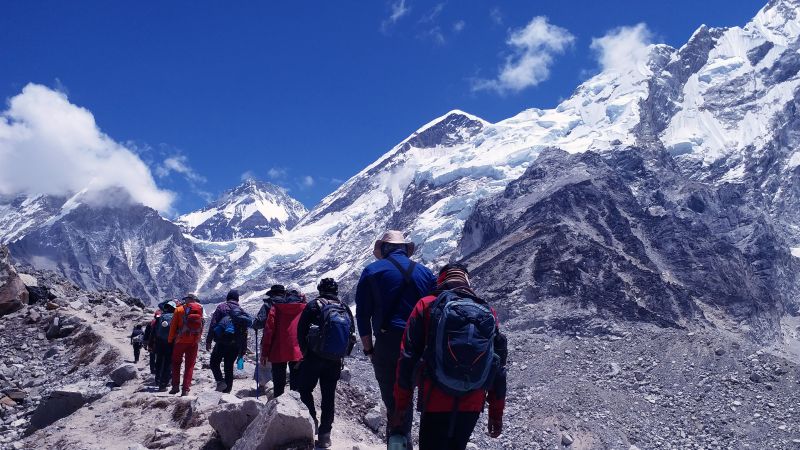
The Langtang Gosaikunda Trek 14 Days is a spectacular Himalayan journey that combines the natural beauty of Langtang Valley with the spiritual significance of Gosaikunda Lake. This trek is ideal for travelers looking for a combination of mountain scenery, Himalayan culture, alpine landscapes and pilgrimage in Nepal.
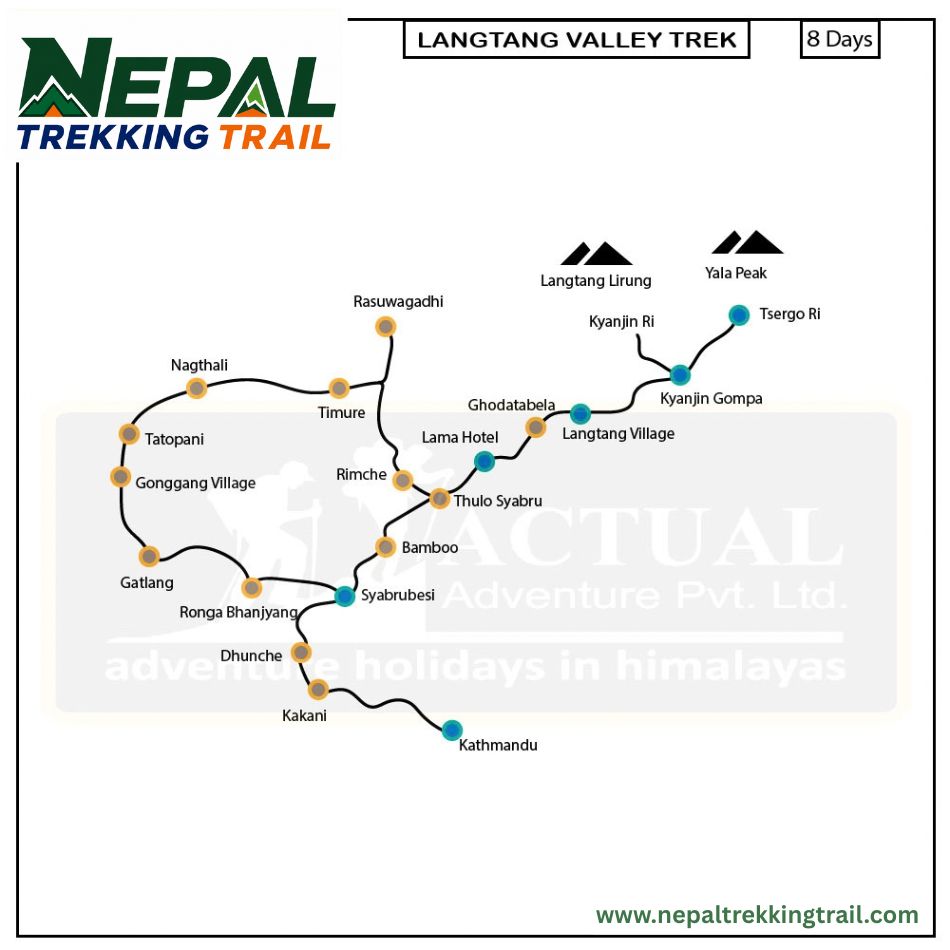
The journey begins in Kathmandu and continues by road toward Syabrubesi, the traditional gateway to the Langtang region. From Syabrubesi, the trail follows forests, rivers, traditional Tamang villages and mountain landscapes toward Lama Hotel, Langtang Village and Kyanjin Gompa.
Kyanjin Gompa is one of the major highlights of the Langtang Valley. Trekkers can explore the surrounding Himalayan landscape and optionally hike toward Kyanjin Ri or Tserko Ri for panoramic mountain views. Published 14-day itineraries commonly include an exploration or acclimatization day around Kyanjin Gompa.
After returning toward Lama Hotel, the trail continues through Thulo Syabru and Sing Gompa before climbing toward the sacred Gosaikunda Lake at approximately 4,380 m. Gosaikunda is an important pilgrimage destination associated with Hindu and Buddhist traditions.
The adventure continues across Lauribina Pass at 4,610 m, the highest point of this route. From the pass, the trail descends toward Ghopte and continues through the Helambu landscape toward Kutumsang, Chisapani and Sundarijal before returning to Kathmandu.
| Trip Facts | Details |
|---|---|
| Trip Name | Langtang Gosaikunda Trek |
| Duration | 14 Days |
| Trekking Days | Approximately 11–12 days |
| Difficulty | Moderate–Challenging |
| Max. Altitude | 4,610 m / 15,124 ft |
| Gosaikunda Altitude | 4,380 m / 14,370 ft |
| Accommodation | Hotel in Kathmandu + Teahouse/Lodge during trek |
| Best Season | March–May and September–November |
| Transportation | Tourist/Private Vehicle |
| Group Size | 1–15 people |
| Guiding Method | Professional Guided Trek |
| Trip Start From | Kathmandu |
| Trip Destination | Langtang Valley, Kyanjin Gompa, Gosaikunda |
| Trip Ends In | Kathmandu |
| Highest Pass | Lauribina Pass – 4,610 m |
| Trek Region | Langtang Region |
| Trip Type | Mountain, Nature, Culture & Pilgrimage Trek |
The route combines Langtang Valley with Gosaikunda and crosses Lauribina Pass, although some commercially offered 14-day itineraries finish at Dhunche without the pass. Your stated 4,610 m maximum altitude corresponds to the pass-crossing version.
Arrive in Kathmandu and meet the Nepal Trekking Trail team. Transfer to your hotel and attend a trek briefing. You can use the remaining time to prepare your equipment and explore the nearby area.
Accommodation: Hotel
Meals: Welcome/optional
Maximum Altitude: 1,400 m
Are you interested on planning custom trip? It only takes 2 minutes.
Response Time 0-2 Hours , Response Rate 100%
The Langtang Gosaikunda Trek 14 Days is a diverse Himalayan trekking journey that combines the spectacular landscapes of Langtang Valley with the sacred alpine lakes of Gosaikunda. The trek is suitable for travelers who want to experience mountain scenery, traditional Himalayan villages, Tamang culture, Buddhist heritage and pilgrimage sites within a single trekking itinerary.
Starting from Kathmandu, the journey travels by road to Syabrubesi, the main gateway to the Langtang region. From there, the trail follows the Langtang Valley through forests, rivers and traditional settlements before reaching Kyanjin Gompa. The trek then returns through the lower Langtang region and continues toward Thulo Syabru, Sing Gompa and the sacred Gosaikunda Lake.
For the pass-crossing itinerary, the route continues over Lauribina Pass at approximately 4,610 m before descending through the Helambu region toward Ghopte, Kutumsang, Chisapani and Sundarijal. This makes the journey a combination of the Langtang Valley and Gosaikunda Trek, rather than a single-destination trek.
The first major section of the trek takes you deep into the Langtang Valley. The landscape changes gradually as you gain altitude, from green forests and terraced hills to alpine meadows and dramatic Himalayan terrain.
The valley is surrounded by impressive peaks, with Langtang Lirung being one of the most prominent mountains in the region. The trail also provides opportunities to experience traditional Tamang settlements and understand the lifestyle of communities living in the Himalayan foothills.
The Langtang Gosaikunda Trek itinerary allows sufficient time to explore the upper valley before continuing toward Gosaikunda.
Kyanjin Gompa is one of the major highlights of the Langtang Gosaikunda Trek. Located at approximately 3,870 m, it provides an excellent opportunity to explore the upper Langtang Valley.
Depending on weather, fitness and available time, trekkers can take optional excursions toward Kyanjin Ri or Tserko Ri. These viewpoints provide impressive views of Langtang Lirung and the surrounding Himalayan peaks.
The exploration day also helps trekkers become accustomed to the higher altitude before descending and continuing toward the Gosaikunda section.
The trek offers an opportunity to experience the traditional culture of the Tamang communities of the Langtang region. Villages along the route feature traditional houses, Buddhist prayer flags, mani walls, chortens and monasteries.
Local teahouses provide a more personal experience of Himalayan hospitality. Staying in these lodges allows trekkers to interact with local residents and experience the daily lifestyle of mountain communities.
Much of the trek passes through Langtang National Park, an important protected area in Nepal. The lower sections of the trail feature dense forests containing rhododendron, pine, oak, bamboo and other vegetation.
Depending on the season and trail conditions, trekkers may encounter wildlife and birds. The forest sections also provide shade during lower-altitude walking days and create a noticeable contrast with the alpine landscape around Gosaikunda.
The Gosaikunda Lake Trek section is the spiritual highlight of the journey. Gosaikunda is situated at approximately 4,380 m and is regarded as a sacred lake.
The area has strong religious significance, particularly among Hindu and Buddhist pilgrims. During major pilgrimage periods, devotees visit Gosaikunda to perform religious rituals and pay their respects at the sacred lake.
For trekkers, the combination of high Himalayan scenery and religious significance makes the Gosaikunda pilgrimage trek different from many conventional mountain trekking routes.
For travelers following the pass-crossing version of the itinerary, Lauribina Pass is the highest point of the trek at approximately 4,610 m.
The crossing requires an early start because it involves a long and demanding walking day. The landscape becomes increasingly rugged as you approach the pass, with alpine terrain and panoramic mountain scenery.
Because of the elevation, trekkers should maintain a comfortable pace and follow the guide's recommendations regarding hydration, rest and altitude awareness.
Altitude is an important consideration on the Langtang Gosaikunda Trek 14 Days. The itinerary gradually progresses from Kathmandu at approximately 1,400 m to Syabrubesi and then into the higher Langtang Valley.
The overnight stay around Kyanjin Gompa provides an opportunity to explore the area before descending and later climbing toward Gosaikunda.
Trekkers should:
Altitude-related symptoms should always be taken seriously. The guide and trekking team can help determine whether a trekker should rest, descend or seek medical assistance.
Accommodation during the Langtang Gosaikunda Trek is primarily in local teahouses and lodges.
Rooms are generally simple and designed for trekkers. Depending on the location and availability, rooms may have twin beds and basic furnishings. Bathrooms can be shared, particularly at higher elevations.
Facilities become more basic as the trail reaches higher and more remote areas. Hot showers, charging facilities and Wi-Fi may be available at some lodges for an additional fee, but availability can vary.
Teahouses along the route serve a variety of meals suitable for trekkers. Common options include:
Dal Bhat is particularly popular because it provides a filling combination of rice, lentils and vegetables.
Trekkers with vegetarian, vegan or other dietary requirements should inform Nepal Trekking Trail before departure so appropriate arrangements can be discussed.
The Langtang Gosaikunda journey begins and ends in Kathmandu.
The standard route generally uses road transportation between Kathmandu and Syabrubesi at the beginning of the trek. After completing the trekking circuit, transportation is arranged from the final trailhead, generally Sundarijal, back to Kathmandu.
Private transportation can also be arranged for travelers who prefer greater flexibility and comfort.
The main trekking seasons for the Langtang Gosaikunda Trek are:
Spring – March to May
Spring offers relatively favorable trekking conditions, pleasant daytime temperatures and blooming rhododendrons in the forest sections.
Autumn – September to November
Autumn is another popular period because of generally stable weather and good Himalayan visibility.
Winter trekking is possible for experienced trekkers, but snow and cold temperatures can affect higher sections, particularly around Gosaikunda and Lauribina Pass. Monsoon conditions can bring rain, clouds and muddy trails.
The Langtang Gosaikunda Trek difficulty is generally classified as moderate to challenging. It does not require technical mountaineering skills, but trekkers should be comfortable walking for several hours per day over uneven mountain trails.
The most demanding section is generally the Gosaikunda to Lauribina Pass crossing because of the elevation and long walking duration.
Preparation can include:
Previous high-altitude trekking experience is helpful but not mandatory for reasonably fit trekkers who follow an appropriate itinerary.
The trek passes through the Langtang National Park area and requires the relevant permits and trekking documentation.
Nepal Trekking Trail can assist with arranging the necessary permits before the trek begins. Travelers should carry their passport and required documentation during the journey.
A suitable packing list for the Langtang Gosaikunda Trek 14 Days should include:
The exact equipment required depends on the season and weather conditions.
The trek is organized as a fully guided trekking experience. A licensed local guide assists with navigation, accommodation arrangements, daily logistics, cultural interpretation and general trekking support.
Porters can also be arranged to carry the main luggage, allowing trekkers to walk with a lighter daypack.
A porter-supported trek is particularly useful during the higher sections of the route, including the approach to Gosaikunda and Lauribina Pass.
Safety is an important part of every Langtang Gosaikunda Trek package. The trekking team monitors weather, trail conditions and the general wellbeing of participants throughout the journey.
Trekkers should maintain communication with their guide and immediately report symptoms such as unusual headaches, dizziness, nausea, breathing difficulties or severe fatigue.
Travel insurance that covers trekking and emergency evacuation at the applicable altitude is strongly recommended.
The exact Langtang Gosaikunda Trek distance varies depending on the selected itinerary, side trips and trail conditions. The 14-day pass-crossing itinerary covers a substantial distance through Langtang Valley, the Gosaikunda region and the Helambu area.
Optional hikes to Kyanjin Ri or Tserko Ri can add additional walking distance.
The trek offers excellent opportunities for landscape and cultural photography. Major photographic subjects include:
Early mornings are often particularly suitable for mountain photography when visibility is favorable.
The Langtang Gosaikunda Trek is suitable for:
Because the itinerary reaches 4,610 m, participants should be physically prepared for high-altitude trekking.
Nepal Trekking Trail can customize the Langtang Gosaikunda Trek 14 Days according to travelers' requirements.
Possible modifications include:
The biggest attraction of this journey is the combination of several different Himalayan experiences in one itinerary. The first section provides Langtang Valley mountain scenery and Tamang culture, while the second section introduces the spiritual environment of Gosaikunda Lake and the high-altitude landscape around Lauribina Pass.
For travelers searching for a Langtang Valley and Gosaikunda Trek, this 14-day journey provides a balanced combination of mountains, culture, nature and pilgrimage without requiring technical climbing skills.
Nepal Trekking Trail organizes the trek with local guides, accommodation arrangements, transportation, permits and trekking logistics to provide a structured Himalayan trekking experience from Kathmandu and back to Kathmandu.
Nepal Trekking Trail provides professionally organized trekking experiences in the Langtang region with experienced guides, carefully planned itineraries and local logistical support. Our Langtang Gosaikunda Trek package combines Himalayan scenery, local culture, nature and pilgrimage into one 14-day adventure.
Whether you are searching for a Langtang Gosaikunda Trek package 14 days, a Langtang Gosaikunda Trek itinerary, a Gosaikunda pilgrimage trek Nepal, or a guided Langtang Valley and Gosaikunda Trek, this journey offers an opportunity to explore one of Nepal's culturally and naturally significant trekking regions.
Excellent
The Langtang Gosaikunda Trek is moderate to challenging. The Lauribina Pass crossing at 4,610 m is the most demanding section.
For the Lauribina Pass route, the maximum altitude is approximately 4,610 m. Gosaikunda Lake itself is approximately 4,380 m.
The Langtang Gosaikunda Trek cost depends on group size, transportation, accommodation, guide and porter arrangements, and included services. Nepal Trekking Trail can provide a current package price based on your preferred travel arrangement.
March to May and September to November are generally considered the best periods for this trek.
Yes. Gosaikunda is a sacred alpine lake and an important pilgrimage destination, particularly for Hindu and Buddhist pilgrims. The trek therefore combines mountain adventure with spiritual and cultural experiences.
The major highlights include Langtang Valley, Kyanjin Gompa, Tamang villages, Himalayan mountain views, Gosaikunda Lake and Lauribina Pass.
Yes. The itinerary can be adjusted according to your walking pace, group size, transportation preferences, acclimatization requirements and desired side trips.
You may also like
Join The Langtang Valley Trek 8 Days Through Langtang National Park, Tamang Villages And Himalayan Landscapes To Kyanjin Gompa. Explore Kyanjin Ri, Mountain Views And Rich Local Culture On This Moderate Langtang Trek From Kathmandu. View Details →
 30 Minutes Drive
 Hotel in Kathmandu


From Langtang Valley To The Sacred Gosaikunda Lake
The Langtang–Gosaikunda Trek Was One Of The Most Rewarding Trekking Experiences I Have Had In Nepal. Over 14 Days, The Landscape Changed Dramatically From Green Forests And Traditional Villages To The High Himalayan Environment Around Kyanjin Gompa And Gosaikunda.
I Particularly Enjoyed The Time Around Kyanjin Gompa. The Mountain Views Were Incredible, And Having Enough Time To Explore The Area Made The Trek Feel Much More Relaxed. Later, Reaching The Sacred Gosaikunda Lake Was A Completely Different Experience. The Combination Of The Lake, Surrounding Mountains And Peaceful Atmosphere Made That Day Very Memorable.
Crossing Lauribina Pass At 4,610 Meters Was Definitely The Most Challenging Part. Our Guide Kept A Steady Pace, Reminded Us To Drink Enough Water And Helped Us Manage The Altitude Without Rushing. His Local Knowledge Was Also Valuable Throughout The Trek.
I Would Also Like To Thank Kedar Neupane, The Owner Of Nepal Trekking Trail, For Organizing Everything Professionally. The Accommodation, Transportation And Trekking Arrangements Were Handled Smoothly. The Trek Gave Me A Wonderful Combination Of Adventure, Himalayan Scenery And Local Culture.
A Beautiful Journey Of Mountains, Culture And Faith
I Chose The Langtang–Gosaikunda Trek Because I Wanted Something More Than Just Mountain Scenery, And This Journey Gave Me Exactly That. The 14-day Itinerary Brought Together Nature, Local Culture, Buddhist Traditions And The Spiritual Atmosphere Of Gosaikunda.
Walking Through The Tamang Villages Was One Of My Favorite Parts. The Traditional Houses, Prayer Flags, Monasteries And Friendly Local People Gave The Trek A Strong Cultural Character. Staying In Local Teahouses Also Allowed Us To Experience The Simple Lifestyle Of The Himalayan Communities.
When We Finally Reached Gosaikunda, The Atmosphere Felt Very Special. Learning About The Religious Importance Of The Lake From Our Guide Made The Visit Much More Meaningful. It Was Fascinating To See How Pilgrimage And Trekking Come Together In This Part Of Nepal.
Kedar Neupane, The Owner Of Nepal Trekking Trail, Was Helpful From The Beginning And Made Sure The Arrangements Were Clear. Our Guide Was Patient And Knowledgeable, Especially When Explaining The Local Culture And Religious Traditions. I Returned From The Trek With Wonderful Memories And A Much Deeper Appreciation For The Langtang Region.
Conquering Lauribina Pass On An Unforgettable Himalayan Trek
The Langtang–Gosaikunda Trek Was Physically Demanding, But Completing It Was Incredibly Satisfying. I Had Done Some Hiking Before Coming To Nepal, But The Long Walking Days And Altitude Made This A Completely Different Experience.
The Journey Through Langtang Valley Was Beautiful, Especially The Section Leading Toward Kyanjin Gompa. As We Climbed Higher, The Scenery Became More Dramatic. The Real Test Came Later When We Approached Gosaikunda And Prepared To Cross Lauribina Pass At 4,610 Meters.
That Day Required An Early Start And Plenty Of Patience. The Climb Was Challenging, But Our Guide Maintained A Comfortable Pace And Regularly Checked How Everyone Was Feeling. Reaching The Pass Was One Of The Proudest Moments Of My Trip To Nepal. The Views And Feeling Of Accomplishment Made The Effort Worthwhile.
I Was Also Impressed With The Organization By Kedar Neupane And Nepal Trekking Trail. Transportation, Permits, Teahouse Accommodation And Daily Trekking Arrangements Were Well Managed, So I Could Concentrate On The Trek Itself. There Were Definitely Challenging Days, But The Combination Of Mountains, Villages, Gosaikunda And The Pass Made This An Unforgettable Himalayan Adventure.