
Trip Durations
20 Days
Quick Contact
4.9  | 20 Days | Kathmandu - Everest Region, Khumbu - Kathmandu
The Everest Three Passes Trek is one of the most challenging and rewarding high-altitude trekking adventures in Nepal. Designed for experienced and physically fit trekkers, this spectacular journey takes you through the remote and dramatic landscapes of the Everest region while crossing three major high passes: Kongma La, Cho La and Renjo La.
Unlike the standard Everest Base Camp Trek, the Everest Three High Passes Trek follows a demanding circuit through the Khumbu region. Along the way, trekkers experience traditional Sherpa villages, Buddhist monasteries, glacier valleys, high mountain passes, turquoise Gokyo Lakes and breathtaking views of Mount Everest, Lhotse, Nuptse, Ama Dablam, Makalu, Cho Oyu and other Himalayan peaks.
The Three Passes Trek also incorporates some of the Everest region's most famous destinations, including Namche Bazaar, Everest Base Camp, Kala Patthar, Gokyo Ri and Gokyo Lakes. The combination of high passes, mountain viewpoints and remote valleys makes this one of Nepal's ultimate trekking experiences.
Nepal Trekking Trail organizes the Everest Three Passes Trek in Nepal with experienced guides, carefully planned acclimatization days, comfortable teahouse accommodation and logistical support throughout the journey.
| Trip Facts | Details |
|---|---|
| Trip Name | Everest Three Passes Trek |
| Duration | 20 Days |
| Difficulty | Very Difficult / Challenging |
| Maximum Elevation | Approx. 5,550 m |
| Highest Pass | Kongma La – approx. 5,535 m |
| Major Passes | Kongma La, Cho La & Renjo La |
| Accommodation | Hotel in Kathmandu and teahouse/lodge during trek |
| Best Season | March–May and September–November |
| Starting Point | Lukla |
| Ending Point | Lukla |
| Transportation | Domestic flight and trekking |
| Region | Everest / Khumbu |
| National Park | Sagarmatha National Park |
| Trekking Style | Teahouse Trek |
| Group Type | Private or Small Group |
| Meals | Breakfast, Lunch and Dinner during trek |
| Guide | Licensed English-speaking trekking guide |
| Difficulty Level | High-altitude strenuous trek |
Welcome to Nepal. Upon your arrival at Tribhuvan International Airport in Kathmandu, a representative from Nepal Trekking Trail will meet you and transfer you to your hotel.
After check-in, you can rest and recover from your journey. If time permits, you can explore the nearby streets of Thamel. In the evening, meet your trekking guide for an introduction and briefing about the Everest Three Passes Trek.
Your guide will explain the itinerary, altitude, weather conditions, trekking difficulty, safety procedures and essential equipment. You will also have an opportunity to check your trekking gear and purchase or rent any equipment you may need.
Accommodation: Hotel in Kathmandu
Meals: Welcome Dinner
Maximum Elevation: Approx. 1,400 m
Today is dedicated to trek preparation and cultural sightseeing in Kathmandu.
You can visit some of the city's important UNESCO World Heritage Sites, depending on the available time and your preferences. The day also gives you an opportunity to become familiar with Nepalese culture before beginning your Himalayan adventure.
Later, meet your guide and trekking team for a detailed preparation session. Your equipment will be checked to make sure you have appropriate clothing and equipment for temperatures above 5,000 meters.
You should also make sure your travel insurance covers high-altitude trekking and emergency evacuation.
Accommodation: Hotel in Kathmandu
Meals: Breakfast
Maximum Elevation: Approx. 1,400 m
Wake early and prepare for your exciting flight to Lukla. The short mountain flight provides spectacular views of the Himalayan foothills and surrounding mountains.
After landing at Tenzing-Hillary Airport in Lukla, meet the porters and begin your first day of trekking.
The trail passes through traditional mountain settlements, forests and small streams. You follow the Dudh Koshi Valley toward Phakding.
This relatively short first trekking day allows your body to gradually adjust to the Himalayan environment.
Walking Distance: Approx. 7–8 km
Walking Time: 3–4 hours
Accommodation: Teahouse/Lodge
Meals: Breakfast, Lunch & Dinner
Maximum Elevation: Approx. 2,610 m
After breakfast, continue your journey along the Dudh Koshi River toward Namche Bazaar.
The trail crosses several suspension bridges decorated with prayer flags before entering Sagarmatha National Park. The route gradually becomes steeper as you approach the famous Hillary Suspension Bridge.
From here, the trail climbs steadily through pine and rhododendron forests toward Namche Bazaar.
Namche is the largest settlement in the Khumbu region and an important trading center for the Sherpa community. On a clear day, you may catch your first distant views of Mount Everest.
Walking Distance: Approx. 10–12 km
Walking Time: 5–7 hours
Accommodation: Teahouse/Lodge
Meals: Breakfast, Lunch & Dinner
Maximum Elevation: Approx. 3,440 m
Today is an important acclimatization day.
Rather than remaining completely inactive, you will take a short hike around Namche Bazaar to help your body adjust to the increasing altitude.
Depending on conditions, you may hike toward the Everest View Hotel or nearby viewpoints. From the higher viewpoints, you can see spectacular mountains including Everest, Ama Dablam, Lhotse and Thamserku.
After the hike, return to Namche and spend the afternoon relaxing or exploring the town.
You can visit local shops, bakeries, cafes and the Sherpa Culture Museum.
Walking Time: 3–5 hours of optional hiking
Accommodation: Teahouse/Lodge
Meals: Breakfast, Lunch & Dinner
Maximum Elevation: Approx. 3,880 m during acclimatization hike
Leave Namche after breakfast and follow the scenic trail toward Tengboche.
The trail initially follows a relatively gentle path along the hillside, providing excellent views of Everest, Lhotse, Nuptse, Ama Dablam and Thamserku.
After descending toward the Dudh Koshi River, you cross the river and begin a steady climb through beautiful rhododendron and pine forests.
Eventually, you arrive at Tengboche, one of the most important Buddhist centers in the Everest region.
Visit Tengboche Monastery and enjoy the surrounding mountain panorama.
Walking Distance: Approx. 10 km
Walking Time: 5–6 hours
Accommodation: Teahouse/Lodge
Meals: Breakfast, Lunch & Dinner
Maximum Elevation: Approx. 3,860 m
The trail descends through forests before reaching Deboche and crossing the Imja Khola.
Continue through Pangboche, one of the oldest permanent settlements in the Everest region. The landscape gradually changes as you climb higher, with fewer trees and increasingly open alpine terrain.
The trail follows the Imja Valley toward Dingboche.
Dingboche is a major settlement and an important acclimatization point for trekkers heading toward Everest Base Camp and the high passes.
Walking Distance: Approx. 11 km
Walking Time: 5–6 hours
Accommodation: Teahouse/Lodge
Meals: Breakfast, Lunch & Dinner
Maximum Elevation: Approx. 4,410 m
Another important acclimatization day is scheduled at Dingboche.
After breakfast, take a gradual hike to a nearby ridge or viewpoint. The exact hiking destination may depend on weather, trail conditions and your group's fitness.
The hike provides excellent views of Island Peak, Ama Dablam, Lhotse and other surrounding peaks.
Return to Dingboche and spend the remainder of the day resting, hydrating and preparing for the more demanding sections of the trek.
Your guide will also provide information about altitude awareness and the upcoming high passes.
Walking Time: 3–5 hours
Accommodation: Teahouse/Lodge
Meals: Breakfast, Lunch & Dinner
Maximum Elevation: Approx. 4,700–4,900 m during acclimatization hike
Today you enter the high-altitude landscape of the Everest Three Passes route.
The trail gradually climbs through the Imja Valley toward Chhukung. The surroundings become increasingly rugged, with dramatic mountain walls and glaciers visible in the distance.
Chhukung is a small mountain settlement and a popular base for trekkers and climbers heading toward Island Peak and Kongma La.
After arriving, your guide will assess trail and weather conditions and prepare the group for the following day's challenging pass crossing.
Walking Distance: Approx. 5–6 km
Walking Time: 3–4 hours
Accommodation: Teahouse/Lodge
Meals: Breakfast, Lunch & Dinner
Maximum Elevation: Approx. 4,730 m
Today is one of the most challenging and exciting days of the Everest Three High Passes Trek.
Start early in the morning and begin the ascent toward Kongma La Pass.
The route is steep and rugged, and the exact trail conditions vary according to season and weather. You may cross rocky terrain, moraine and snow-covered sections.
As you climb higher, spectacular views of the surrounding Himalayan peaks open up.
Reach Kongma La Pass, at approximately 5,500 meters, and take time to appreciate the dramatic scenery.
After crossing the pass, descend toward the Khumbu Glacier and continue toward Lobuche.
This is a long and demanding trekking day, so maintaining a steady pace and following your guide's instructions is important.
Walking Distance: Approx. 10–12 km
Walking Time: 7–9 hours
Accommodation: Teahouse/Lodge
Meals: Breakfast, Lunch & Dinner
Maximum Elevation: Approx. 5,535 m at Kongma La
Today you experience one of the most iconic sections of the Everest region.
After breakfast, follow the trail along the Khumbu Glacier toward Gorakshep.
The trail becomes increasingly rugged as you approach the Everest Base Camp area. After a short break at Gorakshep, continue toward Everest Base Camp.
At Everest Base Camp, enjoy the incredible surroundings of the Khumbu Glacier, icefall and surrounding peaks.
Depending on the season, you may see expedition teams preparing for their Everest summit attempts.
After spending time at Base Camp, return to Gorakshep for the night.
Walking Distance: Approx. 12–14 km
Walking Time: 7–9 hours
Accommodation: Teahouse/Lodge
Meals: Breakfast, Lunch & Dinner
Maximum Elevation: Approx. 5,364 m at Everest Base Camp
Wake early for the famous Kala Patthar sunrise hike.
The climb is steep but relatively short. From the summit of Kala Patthar, you can enjoy one of the finest panoramic viewpoints of Mount Everest and the surrounding Himalayan peaks.
After enjoying the sunrise, descend to Gorakshep for breakfast.
Continue toward Dzongla along a less-traveled section of the Everest region. The landscape becomes quieter and more remote as you move away from the main Everest Base Camp trail.
Reach Dzongla and rest for the evening.
Walking Distance: Approx. 10–12 km
Walking Time: 6–8 hours including Kala Patthar
Accommodation: Teahouse/Lodge
Meals: Breakfast, Lunch & Dinner
Maximum Elevation: Approx. 5,545 m at Kala Patthar
Today you cross the second major pass of the trek: Cho La Pass.
Start early because the crossing requires significant time and energy.
The trail climbs gradually from Dzongla toward the pass. As you gain altitude, the terrain becomes rocky and may contain snow and ice, particularly outside the main trekking seasons.
Your guide will assess conditions and choose the safest available route.
After reaching the top of Cho La, enjoy spectacular views of the surrounding mountains and glaciers.
Descend carefully on the other side and continue toward Thangnak.
This is another demanding day requiring patience, proper pacing and careful footing.
Walking Distance: Approx. 9–11 km
Walking Time: 7–9 hours
Accommodation: Teahouse/Lodge
Meals: Breakfast, Lunch & Dinner
Maximum Elevation: Approx. 5,420 m at Cho La
After breakfast, continue toward the beautiful Gokyo Valley.
The trail passes through the high-altitude landscape alongside the Ngozumpa Glacier, one of the major glaciers in the Everest region.
As you approach Gokyo, the spectacular turquoise lakes begin to appear.
Arrive at Gokyo and settle into your teahouse. Spend the afternoon relaxing beside the lake and enjoying the incredible mountain scenery.
Gokyo is surrounded by peaks including Cho Oyu, Everest, Lhotse and Makalu.
Walking Distance: Approx. 7–8 km
Walking Time: 4–5 hours
Accommodation: Teahouse/Lodge
Meals: Breakfast, Lunch & Dinner
Maximum Elevation: Approx. 4,790 m
Today is dedicated to exploring Gokyo.
Early in the morning, hike toward Gokyo Ri, one of the most famous viewpoints in the Everest region.
The climb is steep but provides an exceptional panoramic view from the summit. On a clear day, you can see Mount Everest, Cho Oyu, Lhotse, Makalu, Cholatse, Taboche and numerous other Himalayan peaks.
After returning to Gokyo, enjoy breakfast and spend time exploring the surrounding lakes and valley.
This is also an important opportunity to rest before crossing the final high pass.
Walking Time: 4–5 hours
Accommodation: Teahouse/Lodge
Meals: Breakfast, Lunch & Dinner
Maximum Elevation: Approx. 5,360 m at Gokyo Ri
Today you cross the third and final high pass: Renjo La.
Begin early and follow the trail through the rugged landscape above Gokyo.
The climb toward Renjo La is gradual but demanding because of the high altitude. As you approach the pass, the views become increasingly spectacular.
At the top of Renjo La Pass, enjoy panoramic views of Everest, Cho Oyu, Makalu and other Himalayan peaks.
After taking photographs and enjoying the scenery, begin the long descent toward Marlung.
Marlung is a traditional settlement in the Bhote Koshi Valley and provides a peaceful place to rest after completing the final major pass.
Walking Distance: Approx. 10–12 km
Walking Time: 7–9 hours
Accommodation: Teahouse/Lodge
Meals: Breakfast, Lunch & Dinner
Maximum Elevation: Approx. 5,360 m at Renjo La
After completing all three high passes, begin your descent toward Namche Bazaar.
The trail follows the Bhote Koshi Valley through traditional Sherpa settlements and gradually enters greener landscapes.
As you descend, the air becomes warmer and oxygen levels increase.
Continue through Thame and surrounding villages before eventually reaching the familiar trails leading toward Namche Bazaar.
Enjoy a well-deserved evening in Namche after completing the most demanding part of your Three Passes Trek Nepal adventure.
Walking Distance: Approx. 14–16 km
Walking Time: 6–7 hours
Accommodation: Teahouse/Lodge
Meals: Breakfast, Lunch & Dinner
Maximum Elevation: Approx. 3,440 m
Today is the final trekking day.
After breakfast, descend from Namche along the Dudh Koshi Valley.
Cross suspension bridges and pass through villages and forests that you encountered at the beginning of your trek.
Continue toward Phakding and then follow the trail uphill and downhill toward Lukla.
Upon reaching Lukla, celebrate the successful completion of the Everest Three Passes circuit with your guide and trekking team.
Walking Distance: Approx. 18 km
Walking Time: 6–8 hours
Accommodation: Teahouse/Lodge
Meals: Breakfast, Lunch & Dinner
Maximum Elevation: Approx. 2,860 m
After breakfast, prepare for your flight from Lukla to Kathmandu.
The flight is subject to weather and operational conditions. During periods of busy trekking seasons or unfavorable mountain weather, flight schedules can sometimes change.
Upon arrival in Kathmandu, our representative will transfer you to your hotel.
The remainder of the day is free for relaxation, shopping or exploring Kathmandu.
You may enjoy a final dinner with your trekking team in the evening.
Accommodation: Hotel in Kathmandu
Meals: Breakfast
Transportation: Domestic flight and private vehicle
Your incredible Everest Three Passes Trek 20 Days comes to an end today.
Depending on your international flight schedule, you can enjoy breakfast at the hotel before our representative transfers you to Tribhuvan International Airport.
We hope the memories of Kongma La, Cho La, Renjo La, Everest Base Camp, Kala Patthar and Gokyo Lakes remain with you long after you leave Nepal.
Thank you for choosing Nepal Trekking Trail for your Himalayan adventure.
Meals: Breakfast
Transportation: Private vehicle to the airport
Are you interested on planning custom trip? It only takes 2 minutes.
The Everest Three Passes Trek package with Nepal Trekking Trail includes the essential services required for a safe and comfortable high-altitude trekking experience.
Airport arrival and departure transfers by private vehicle
Kathmandu hotel accommodation as mentioned in the itinerary
Domestic flight from Kathmandu to Lukla
Domestic flight from Lukla to Kathmandu
Licensed and experienced English-speaking trekking guide
Experienced porter service
Porter insurance, salary, food and accommodation
Guide's salary, insurance, food and accommodation
Teahouse/lodge accommodation throughout the trekking period
Breakfast, lunch and dinner during the trek
Welcome dinner in Kathmandu
Sagarmatha National Park entry permit
Khumbu Pasang Lhamu Rural Municipality permit
Trekking TIMS or other applicable trekking registration/permit fees
Necessary government taxes and service charges
Guide and porter equipment where required
Trekking route planning and logistics
Basic first-aid support from the trekking guide
Company duffel bag for the trek, if provided
Trekking briefing before departure
Government-licensed trekking company service
Arrangement and coordination throughout the trek
Farewell assistance at the end of the trek
The following expenses are not included in the standard Everest Three Passes Trek package unless specifically mentioned in your quotation.
International airfare to and from Nepal
Nepal visa fee
Travel insurance
Emergency medical expenses
Emergency helicopter evacuation
Personal medical expenses and medicines
Personal trekking equipment and clothing
Sleeping bag and down jacket rental or purchase, unless specified
Bottled water and personal drinking water
Hot showers during the trek
Wi-Fi and internet charges
Mobile phone/SIM card and data charges
Battery charging and electricity fees at teahouses
Personal snacks and beverages
Alcoholic drinks
Soft drinks
Coffee and specialty beverages
Laundry service
Personal shopping and souvenirs
Tips for guide, porter and support staff
Additional accommodation or meals caused by flight delays
Additional hotel nights in Kathmandu caused by delays or itinerary changes
Extra transportation not mentioned in the itinerary
Costs arising from natural disasters, severe weather or unforeseen circumstances
Any services not specifically mentioned under the cost-includes section
Nepal Trekking Trail can arrange additional services to make your Everest Three Passes Trek more comfortable and convenient.
Upgrade from a group departure to a private Everest Three Passes Trek with your own guide and porter team.
Additional porter support can be arranged for trekkers who prefer to carry only a light daypack.
Additional nights in Kathmandu can be arranged before or after the trek according to your international flight schedule.
Premium airport assistance can be arranged for travelers who want additional support during arrival and departure.
Essential trekking equipment such as sleeping bags, down jackets, trekking poles and other equipment can be arranged for rental.
Private airport pickup and drop-off services can be arranged according to your flight schedule.
Helicopter transportation can be arranged for specific sections of the Everest region where operationally and weather conditions permit, subject to availability and additional cost.
Emergency helicopter evacuation can be coordinated when medically necessary and when authorized by the relevant rescue and insurance procedures. Travel insurance covering high-altitude trekking and helicopter evacuation is strongly recommended.
If regular Lukla flight operations are affected by weather or operational conditions, alternative transportation arrangements may be available at an additional cost.
The standard itinerary can be customized according to your preferred trekking pace, acclimatization requirements, travel dates and group needs.
An additional acclimatization day can be added if you prefer a slower itinerary or require more time to adjust to high altitude.
Single-room accommodation can be arranged where available, subject to additional charges.
Private guide, additional porter or specialized support can be arranged for individuals, families and private groups.
The Everest Three Passes Trek cost can vary according to group size, trekking season, accommodation preferences, flight availability, guide and porter requirements, and optional services. Nepal Trekking Trail will provide a detailed quotation based on your travel dates and requirements.
For a personalized Everest Three Passes Trek package and price, contact Nepal Trekking Trail with your preferred travel dates and group size.
Response Time 0-2 Hours , Response Rate 100%
The Everest Three Passes Trek difficulty is considered very high because of the combination of long trekking days, steep ascents and descents, rugged terrain and extreme altitude.
The trek crosses:
Trekkers should have good cardiovascular fitness, strong legs and previous experience with multi-day mountain trekking. Experience at high altitude is strongly recommended.
Although the trek is demanding, proper acclimatization, appropriate pacing, hydration and an experienced guide can significantly improve the experience.
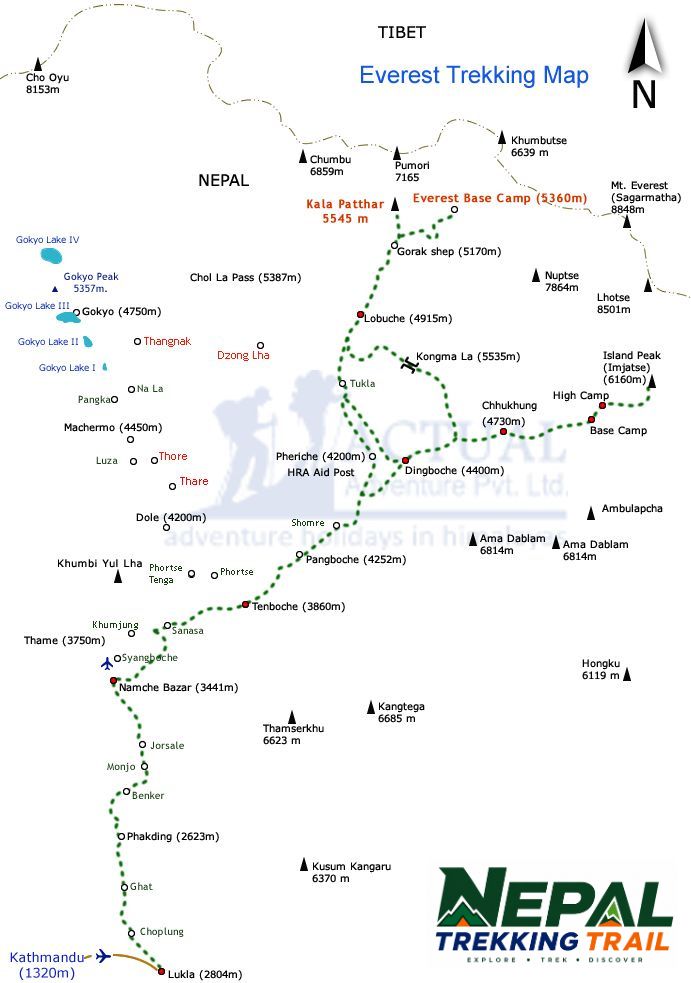
The classic Everest three passes route follows a circuit rather than simply going to Everest Base Camp and returning by the same trail.
Lukla → Phakding → Namche Bazaar → Tengboche → Dingboche → Chhukung → Kongma La → Lobuche → Everest Base Camp → Kala Patthar → Dzongla → Cho La → Thangnak → Gokyo → Gokyo Ri → Renjo La → Marlung → Namche Bazaar → Lukla
This route combines the Everest Base Camp trail with the remote valleys and high passes of the Khumbu region.
Kongma La is the first major pass on the standard circuit when approached from the Chhukung side. At more than 5,500 meters, it is one of the most demanding sections of the trek.
Cho La connects the Everest Base Camp area with the Gokyo Valley. The crossing involves steep and rugged terrain and can become more challenging when snow and ice are present.
Renjo La is the final high pass of the circuit. The viewpoint from the pass provides impressive Himalayan scenery, including views toward Everest and the surrounding peaks.
Together, Kongma La, Cho La and Renjo La form the famous Everest Three Passes circuit.
The Everest Three Passes Trek vs EBC comparison is common among trekkers.
The Everest Base Camp Trek focuses primarily on reaching Everest Base Camp and Kala Patthar, while the Three Passes Trek adds three demanding high-altitude passes and the Gokyo Valley.
| Feature | EBC Trek | Three Passes Trek |
|---|---|---|
| Everest Base Camp | Yes | Yes |
| Kala Patthar | Usually | Yes |
| Gokyo Lakes | Usually no | Yes |
| Gokyo Ri | Optional/route dependent | Yes |
| Kongma La | No | Yes |
| Cho La | No | Yes |
| Renjo La | No | Yes |
| Difficulty | Challenging | Very Difficult |
| Remote sections | Moderate | High |
| Experience recommended | Moderate | Strong trekking experience |
If your primary goal is simply Everest Base Camp, EBC is generally the simpler choice. If you want a more challenging Everest high pass circuit combining EBC, Gokyo and three major passes, the Three Passes Trek is an excellent option.
The best time for Everest Three Passes Trek is generally during spring and autumn.
Spring provides stable weather, clear mountain views and warmer conditions compared with winter. April and May are particularly popular trekking months.
Autumn generally offers clear skies, excellent visibility and stable trekking conditions. October and November are among the most popular months.
Winter brings very cold temperatures and increased chances of snow and ice on the high passes. Crossing the passes can become significantly more difficult.
Heavy rainfall at lower elevations and less predictable mountain conditions make the monsoon season less suitable.
The Everest Three Passes Trek cost depends on several factors, including trekking duration, group size, guide and porter services, accommodation, meals, permits, domestic flights and personal expenses.
A standard package normally includes:
Personal expenses, travel insurance, international airfare, emergency evacuation and alcoholic beverages are generally excluded unless specifically stated in the package.
For the most accurate Everest Three Passes Trek price, Nepal Trekking Trail can provide a customized quotation according to group size, preferred services and travel dates.
Trekkers require the appropriate permits for the Everest region. Depending on the current regulations, these may include:
Permit requirements and fees can change, so Nepal Trekking Trail will assist with the required arrangements before and during the trek.
The Everest Three Passes Trek accommodation is primarily in local teahouses and mountain lodges.
Rooms are generally basic and commonly feature twin beds. Bathrooms may be shared, particularly at higher elevations.
Facilities become more basic as you approach the high passes. Tea houses provide a warm dining area where trekkers can eat, rest and socialize.
Teahouses along the route provide a variety of meals. Common options include:
Dal Bhat is particularly popular among trekkers because it provides carbohydrates, protein and energy for long trekking days.
Essential equipment includes:
Because the trek reaches above 5,500 meters, proper cold-weather and high-altitude equipment is particularly important.
Good preparation is essential for this challenging journey.
We recommend beginning physical training several weeks or months before the trek. Focus on:
Previous trekking experience is highly recommended.
The most important preparation, however, is not simply physical strength. Acclimatization and gradual altitude gain are critical for a safe high-altitude trekking experience.
The trek can be undertaken safely with proper planning, acclimatization and experienced local support, but high-altitude trekking always carries inherent risks.
Weather can change quickly, and altitude-related problems are possible.
Nepal Trekking Trail provides experienced guides who monitor trekking conditions and help trekkers maintain a safe pace. Trekkers should also have comprehensive travel insurance that covers high-altitude trekking and emergency evacuation.
Nepal Trekking Trail focuses on providing well-organized trekking experiences throughout Nepal.
When you book the Everest Three Passes Trek with Nepal Trekking Trail, you can expect:
Our experienced trekking guides understand the Everest region, mountain conditions, local culture and high-altitude trekking requirements.
The itinerary includes acclimatization stops designed to help your body adjust gradually to increasing altitude.
Our team provides firsthand knowledge of the Khumbu region, Sherpa communities, mountain trails and local teahouses.
Private and small-group arrangements can be organized according to your preferred travel dates and trekking requirements.
From airport pickup and domestic flights to accommodation and trekking logistics, our team helps coordinate the important parts of your Himalayan journey.
The Everest Three Passes Trek is an extraordinary Himalayan adventure combining Everest Base Camp, Kala Patthar, Gokyo Lakes and the three legendary high passes of Kongma La, Cho La and Renjo La.
If you are looking for an adventurous Three Passes Trek Nepal experience beyond the standard Everest Base Camp route, this circuit offers an exceptional combination of mountain scenery, Sherpa culture, high-altitude adventure and remote Himalayan landscapes.
Book your Everest Three Passes Trek with Nepal Trekking Trail and prepare for an unforgettable journey through the heart of the Everest region.
Excellent
The Everest Three Passes Trek is very difficult. It involves long trekking days, steep terrain and three high-altitude passes above 5,300 meters. Previous trekking experience and good physical fitness are strongly recommended.
A standard itinerary can take around 18–21 days, depending on acclimatization, route and travel arrangements. Nepal Trekking Trail offers a carefully planned 20-day Everest Three Passes Trek itinerary.
The three major passes are Kongma La, Cho La and Renjo La.
The route reaches above 5,500 meters, with Kongma La being approximately 5,535 meters depending on the route and measurement used.
Yes. The Three Passes Trek is generally harder than the Everest Base Camp Trek because it involves three high mountain passes and more demanding terrain.
March to May and September to November are generally the best seasons. October and November are especially popular because of generally clear mountain views and stable conditions.
A knowledgeable guide is strongly recommended because the route crosses remote and high-altitude terrain, and conditions can change quickly.
It is not generally recommended as a first high-altitude trek. Trekkers should have good fitness and preferably previous experience with multi-day mountain trekking.
Yes. Our itinerary includes Everest Base Camp and Kala Patthar in addition to Kongma La, Cho La and Renjo La.
Yes. The itinerary includes the spectacular Gokyo Lakes and Gokyo Ri.
You may also like
Everest Base Camp Trek 14 Days With Nepal Trekking Trail. Explore The Legendary Everest Base Camp, Sherpa Villages, Namche Bazaar, Tengboche, Kala Patthar And Breathtaking Himalayan Views. View Details →
Everest View Trek 7 Days With Nepal Trekking Trail Offers A Short Everest Adventure To 3,880m With Everest Views, Namche Bazaar, Sherpa Villages, Itinerary, Cost And Expert Guides. View Details →
Experience The Gokyo Valley Trek 12 Days With Nepal Trekking Trail. Explore Gokyo Lakes, Climb Gokyo Ri At 5,357 M, And Enjoy Spectacular Everest, Lhotse, Makalu And Cho Oyu Views. View Details →
 30 Minutes Drive
 Hotel in Kathmandu
 Welcome Dinner


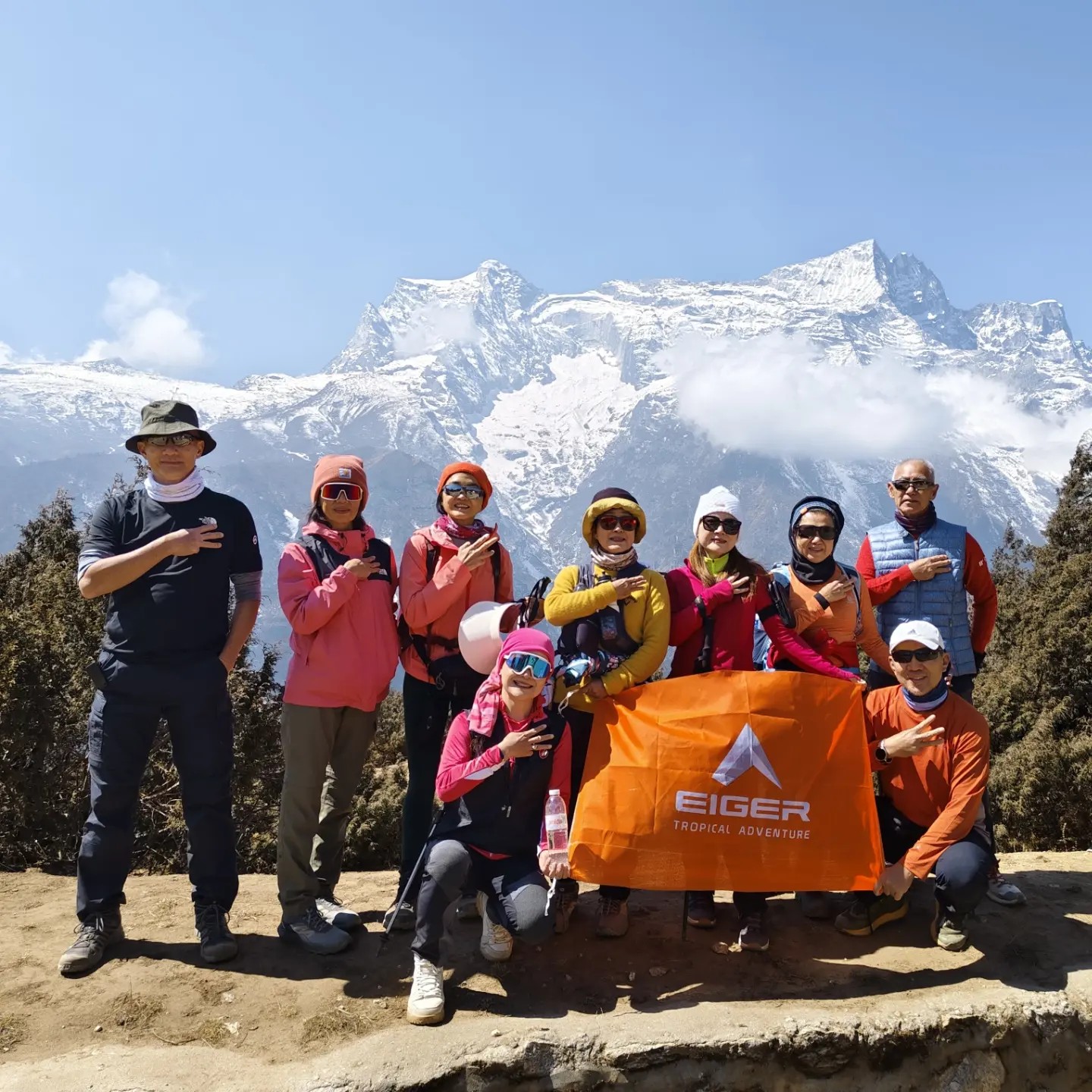
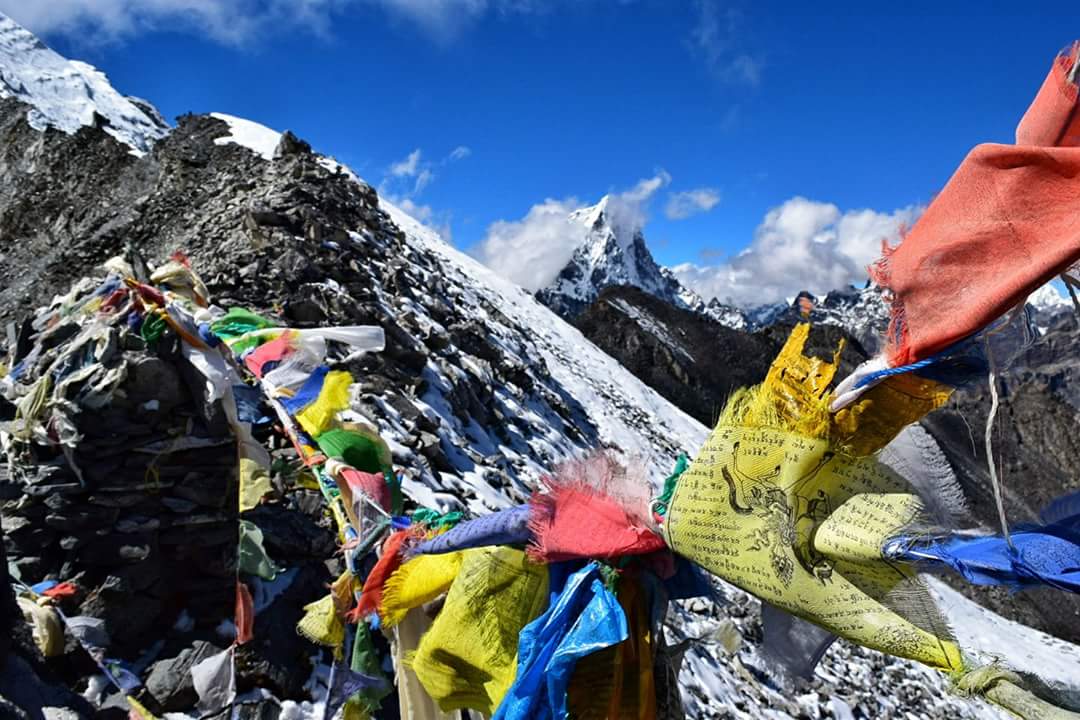
Crossing All Three Passes Was An Unforgettable Adventure
Completing The 20-day Everest Three Passes Trek With Nepal Trekking Trail Was One Of The Most Challenging Adventures I Have Ever Undertaken. The Combination Of Kongma La, Cho La And Renjo La Made This Much More Demanding Than An Ordinary Trek, But Reaching Each Pass Felt Incredibly Rewarding.
Our Guide Uttam Was Excellent Throughout The Journey. He Understood When We Needed To Slow Down, Encouraged Us To Maintain A Steady Pace And Regularly Checked How We Were Adapting To The Altitude. The Acclimatization Days In Namche And Dingboche Were Particularly Useful.
Reaching Everest Base Camp And Watching The Sunrise From Kala Patthar Were Unforgettable Moments, But Gokyo Valley Was Another Highlight For Me. Crossing The High Passes And Then Seeing The Beautiful Gokyo Lakes Was An Incredible Contrast.
Kedar Neupane And The Nepal Trekking Trail Team Organized The Trek Very Professionally. Despite The Physical Challenges, I Always Felt That The Itinerary And Trekking Support Were Well Managed. I Would Recommend This Trek To Experienced Trekkers Looking For A Genuine Himalayan Challenge.
A Beautiful Journey Beyond Everest Base Camp
I Chose The Everest Three High Passes Trek Because I Wanted To Experience More Than The Traditional Everest Base Camp Route, And The Journey Exceeded My Expectations.
Our Guide Chandra Made A Huge Difference To The Experience. He Shared Stories About The Sherpa Communities, Buddhist Traditions And Monasteries Along The Route, Which Gave The Trek Much More Meaning Than Simply Walking From One Village To Another.
The Scenery Changed Constantly. We Walked Through Forests Around Namche And Tengboche, Crossed Rugged High-altitude Landscapes, And Eventually Reached The Spectacular Kongma La, Cho La And Renjo La Passes. Everest Base Camp Was An Emotional Milestone, While The Sunrise From Kala Patthar Gave Us Magnificent Views Of The Surrounding Peaks.
My Favorite Section Was Probably Gokyo. The Turquoise Lakes Surrounded By Enormous Mountains Looked Almost Unreal, And Hiking To Gokyo Ri Gave Us A Fantastic Perspective Of The Everest Region.
Kedar Neupane And His Team Handled The Organization Very Well, From The Kathmandu Arrangements To The Trekking Logistics. Chandra Was Patient, Knowledgeable And Always Willing To Explain The Local Culture. It Was A Memorable Experience From Beginning To End.
Excellent Organization For A Demanding Trek
The Everest Three Passes Trek Is A Serious Undertaking, So I Wanted A Trekking Company That Could Manage The Logistics Properly. Nepal Trekking Trail Provided A Well-organized Experience From The Moment I Arrived In Kathmandu.
The Arrangements For Airport Transfers, Kathmandu Accommodation, Lukla Flights, Trekking Permits And Teahouse Accommodation Were Handled Smoothly. Our Guide Basu Also Kept Us Informed About The Itinerary And Daily Trekking Conditions.
The Trek Itself Was Demanding. The Sections Over Kongma La, Cho La And Renjo La Required Good Fitness And Careful Pacing. Basu Was Particularly Helpful During The High-altitude Days. He Encouraged Us To Walk Steadily Rather Than Rush And Reminded Us To Stay Hydrated And Pay Attention To How We Were Feeling.
The Itinerary Also Gave Us Time To Acclimatize Properly In Namche And Dingboche, Which Made The Higher Sections Easier To Approach. Everest Base Camp, Kala Patthar And Gokyo Lakes Were All Memorable Highlights.
I Appreciated The Communication From Kedar Neupane Before And During The Trek. The Team Was Straightforward About What The Trek Involved And What Equipment We Needed. For Anyone Planning A Challenging Three Passes Trek In Nepal, Good Preparation And Reliable Local Support Are Essential, And Our Experience With Nepal Trekking Trail Was Very Well Organized.