Trip Durations
12 Days

Quick Contact
4.9  | 12 Days | Kathmandu - Nar Phu Valley, Annapurna Region - Kathmandu
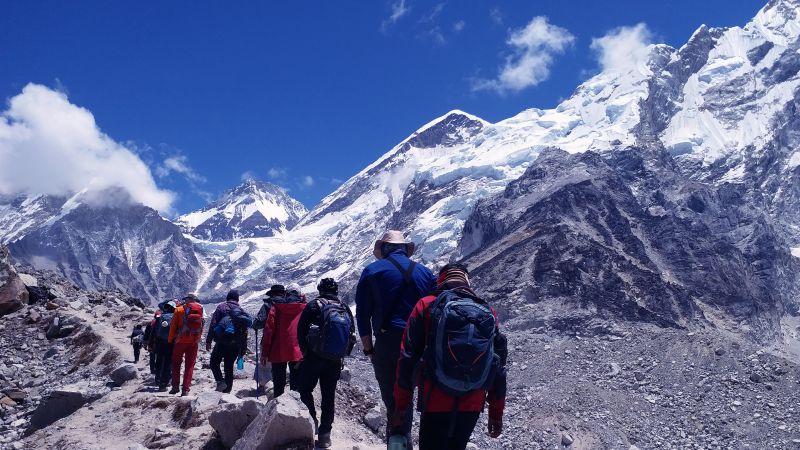
The Nar Phu Valley Trek 12 Days is an adventurous journey into the remote Himalayan valleys of the Annapurna region in Nepal. This 12-day Nar Phu Valley Trek takes you through ancient Tibetan-influenced villages, dramatic mountain gorges, high-altitude landscapes, Buddhist monasteries and traditional settlements that have preserved their centuries-old culture and lifestyle. The trek is an ideal option for trekkers looking for a less-travelled Himalayan route away from the busy trails of the Annapurna Circuit.
The Nar Phu Trek Nepal adventure begins with a scenic drive from Kathmandu to Koto, the gateway to the restricted Nar Phu Valley. From Koto, the trail follows the Nar Khola through deep forests, narrow canyons, suspension bridges and rugged mountain terrain before reaching the beautiful villages of Meta, Phu and Nar. The journey includes visits to traditional monasteries, ancient chortens, yak pastures and culturally rich settlements that showcase the unique Tibetan Buddhist heritage of the region.
The highlight of the Nar Phu Valley Trekking Package is crossing the spectacular Kang La Pass at approximately 5,320 metres, offering panoramic views of the Annapurna Himalayan range, including Annapurna II, Annapurna III, Gangapurna and Pisang Peak. After crossing the pass, the trail descends to Ngawal and connects with the famous Annapurna Circuit route before continuing to Manang.
Nepal Trekking Trail offers a guided Nar Phu Valley Trek Package with experienced trekking guides, accommodation, meals, transportation and permit arrangements. Whether you are interested in remote Himalayan trekking, traditional mountain culture or a challenging high-altitude adventure, the Nar Phu Valley Trek 12 Days provides an opportunity to explore one of Nepal's distinctive trekking destinations.
|
Trip Name |
Nar Phu Valley Trek 12 Days |
|---|---|
|
Destination |
Nar and Phu Valley, Annapurna Region, Nepal |
|
Duration |
12 Days |
|
Difficulty |
Moderate to Challenging |
|
Maximum Altitude |
5,320 m (Kang La Pass) |
|
Accommodation |
Hotel, Teahouse and Mountain Lodge |
|
Best Season |
March, April, May, September, October and November |
|
Trek Start |
Koto |
|
Trek Ends |
Manang |
|
Starting Point |
Kathmandu, Nepal |
|
Ending Point |
Kathmandu, Nepal |
|
Transportation |
Private vehicle and 4WD jeep |
|
Trekking Style |
Fully Guided Trek |
|
Group Size |
1–10 People |
|
Trek Region |
Annapurna Conservation Area |
|
Permits |
Nar Phu Restricted Area Permit and ACAP |
|
Trip Type |
Adventure, Cultural and High-Altitude Trekking |
Explore the remote and culturally rich Nar and Phu villages in the Annapurna region.
Cross the spectacular Kang La Pass at 5,320 metres.
Discover ancient Tibetan Buddhist monasteries, chortens and prayer walls.
Experience traditional Himalayan village life and local mountain culture.
Walk through dramatic gorges, alpine landscapes, forests and yak pastures.
Visit Phu Village and the historic Tashi Lhakhang Monastery.
Explore Nar Village, known for its traditional architecture and Buddhist heritage.
Enjoy panoramic views of Annapurna II, Annapurna III, Gangapurna and Pisang Peak.
Trek along a less-travelled route connected to the Annapurna Circuit.
Experience remote Himalayan settlements with basic teahouse accommodation.
Enjoy acclimatization days in Phu and Nar before crossing the high mountain pass.
Experience a guided restricted-area trekking adventure with Nepal Trekking Trail.
The Nar Phu Valley Trek in Nepal is a 12-day trekking adventure that combines remote Himalayan landscapes, traditional Tibetan-influenced culture and high-altitude mountain exploration. Located in the Manang district of the Annapurna region, Nar Phu Valley remained closed to foreign trekkers until 2003 and continues to be a restricted trekking area requiring special permits and a licensed guide.
The Nar Phu Valley Trekking Package starts with a drive from Kathmandu to Koto via Besisahar. From Koto, the trekking trail leaves the main Annapurna Circuit route and enters the remote Nar Phu Valley, following the river through narrow gorges, forests and rocky landscapes. The first major settlement is Meta, followed by the ancient village of Phu, located at approximately 4,080 metres.
An acclimatization day in Phu allows trekkers to explore the village, visit Tashi Lhakhang Monastery and experience the local Buddhist traditions. The trail then descends to Nar Phedi before ascending to Nar Village, another culturally significant Himalayan settlement surrounded by dramatic mountain scenery and traditional stone houses.
The Nar Phu Valley Trek itinerary includes time to acclimatize in Nar before the challenging crossing of Kang La Pass. At approximately 5,320 metres, Kang La Pass is the highest point of the journey and provides spectacular views of the Annapurna mountain range. After crossing the pass, trekkers descend to Ngawal and continue towards Manang, where the trekking section concludes.
The Nar Phu Valley Trek 12 Days is suitable for trekkers with good physical fitness, an interest in cultural exploration and some previous experience in high-altitude trekking. Nepal Trekking Trail organizes the Nar Phu Valley Guided Trek with professional guides, transportation, accommodation and permit assistance to help travelers experience this remote Himalayan destination.
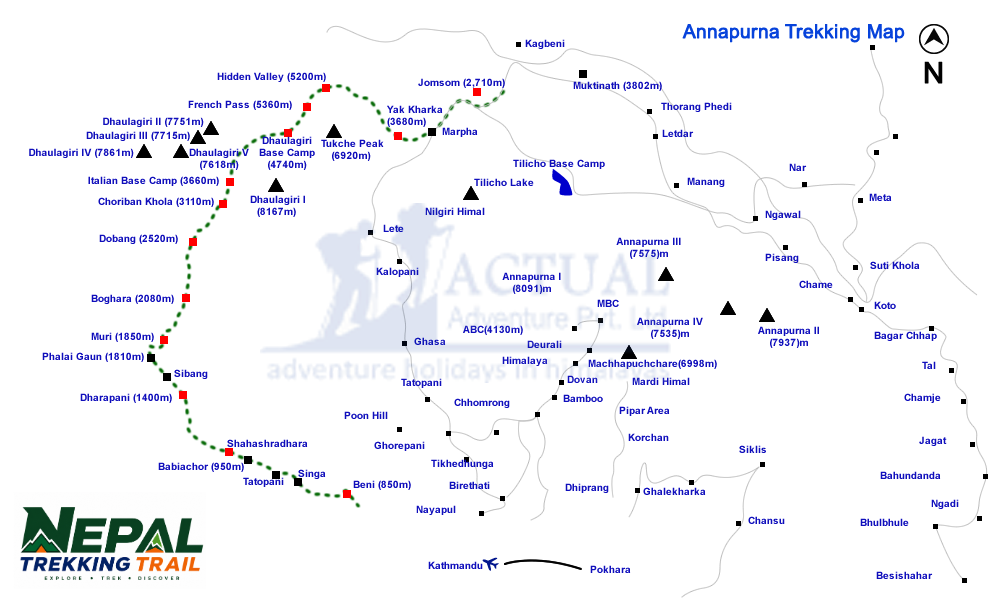
The Nar Phu Valley Trek route follows a remote section of the Annapurna region, starting at Koto and continuing through Meta, Phu Village, Nar Phedi and Nar Village before crossing Kang La Pass to Ngawal and Manang.
|
Route |
Approx. Distance |
Duration |
Altitude |
|---|---|---|---|
|
Kathmandu to Koto |
Road journey |
9–11 hrs |
2,610 m |
|
Koto to Meta |
12 km |
5–7 hrs |
3,560 m |
|
Meta to Phu Village |
12 km |
5–7 hrs |
4,080 m |
|
Phu acclimatization |
Local walk |
Flexible |
4,080 m |
|
Phu to Nar Phedi |
14 km |
5–7 hrs |
3,490 m |
|
Nar Phedi to Nar |
6 km |
3–5 hrs |
4,110 m |
|
Nar acclimatization |
Local walk |
Flexible |
4,110 m |
|
Nar to Kang La Pass to Ngawal |
14 km |
8–10 hrs |
5,320 m |
|
Ngawal to Manang |
10 km |
3–5 hrs |
3,540 m |
|
Manang to Kathmandu |
Road journey |
10–12 hrs |
1,400 m |
Distances, walking hours and altitudes are approximate and may differ depending on the exact trail, overnight accommodation and road conditions. The route and high point are consistent with published 12-day itinerary references.
Welcome to Nepal! Upon arrival at Tribhuvan International Airport, our representative will receive you and transfer you to your hotel in Kathmandu. After check-in, you can relax and recover from your journey. Depending on your arrival time, you may explore nearby markets or visit some cultural attractions in the city.
In the evening, meet your trekking guide for a briefing about the Nar Phu Valley Trek, including the itinerary, trekking equipment, permits and safety procedures.
Driving: 9–11 hours | Approx. 200 km, depending on road conditions
After breakfast, begin the scenic drive from Kathmandu towards Koto via Besisahar and the Marsyangdi River valley. The route passes through terraced farmland, riverside settlements, green hills and mountain villages. From Besisahar, continue by 4WD jeep along rugged mountain roads towards Koto.
Koto is the gateway to the restricted Nar Phu Valley. Your guide will help complete the necessary permit and checkpoint formalities before the trek enters the restricted area. Enjoy the mountain surroundings and prepare for the trekking adventure ahead.
Accommodation: Teahouse or lodge | Meals: Breakfast, lunch and dinner
Trekking: 5–7 hours | Approx. 12 km
Today, the Nar Phu Valley Trek begins in earnest as you leave Koto and follow the trail along the Nar Khola. The route passes through dense pine forests, narrow gorges, suspension bridges and rocky cliffs. You will gradually ascend through a remote landscape with views of waterfalls and rugged mountain formations.
As you gain altitude, the landscape becomes increasingly open and alpine. Continue towards Meta, a small settlement located on a high plateau overlooking the surrounding mountains. The village offers basic mountain accommodation and beautiful views of the valley.
Accommodation: Teahouse or lodge | Meals: Breakfast, lunch and dinner
Trekking: 5–7 hours | Approx. 12 km
After breakfast, continue the trek towards Phu Village through the dramatic high-altitude landscapes of Nar Phu. The trail passes traditional settlements, abandoned Khampa settlements, stone walls and rocky hillsides. Along the way, you will encounter unique mountain scenery, narrow valleys and views of surrounding snow-covered peaks.
As you approach Phu Village, the landscape opens into a spectacular Himalayan valley. Phu is a traditional Tibetan-influenced settlement with ancient stone houses, prayer flags, monasteries and agricultural terraces. Explore the village and experience the traditional lifestyle of the local people.
Accommodation: Teahouse or lodge | Meals: Breakfast, lunch and dinner
Today is dedicated to acclimatization and exploring Phu Village. Taking a rest day at this altitude helps your body adjust before continuing to higher elevations. You can take a gentle walk around the village and visit Tashi Lhakhang Monastery, one of the significant Buddhist religious sites in the area.
Explore traditional stone houses, local agricultural fields, ancient mani walls and Buddhist prayer wheels. You can also enjoy views of the surrounding mountains and observe the daily lives of the local communities.
Your guide will monitor your well-being and recommend suitable activity levels. Avoid strenuous exercise and remember that acclimatization does not completely eliminate the risk of altitude sickness.
Accommodation: Teahouse or lodge | Meals: Breakfast, lunch and dinner
Trekking: 5–7 hours | Approx. 14 km
After breakfast, retrace part of the trail from Phu Village and descend through the rugged mountain terrain towards Nar Phedi. The route follows the river valley through rocky landscapes, narrow gorges and dramatic cliffs.
Today's journey involves a significant descent, giving you an opportunity to appreciate the unique geography of the Nar Phu region from a different perspective. Nar Phedi is a small settlement associated with a Buddhist monastery, offering a peaceful overnight stop.
Spend the evening relaxing at the lodge or monastery accommodation and prepare for the following day's ascent towards Nar Village.
Accommodation: Monastery guesthouse or lodge | Meals: Breakfast, lunch and dinner
Trekking: 3–5 hours | Approx. 6 km
Today, ascend towards Nar Village along a trail that gradually climbs through alpine landscapes, traditional stone walls, mani walls and mountain pastures. As you gain elevation, you will see beautiful views of the surrounding peaks and valleys.
Nar Village is one of the most culturally interesting settlements in the region. The village features traditional stone-built houses, Buddhist monasteries, prayer flags and fields adapted to the high-altitude environment.
Upon arrival, check into your accommodation and spend the remaining time exploring the village, observing local traditions and enjoying the peaceful Himalayan atmosphere.
Accommodation: Teahouse or lodge | Meals: Breakfast, lunch and dinner
Spend an additional day in Nar Village to acclimatize before crossing Kang La Pass. This rest day is important because the upcoming pass crossing reaches an altitude of approximately 5,320 metres.
You can explore the village, visit local monasteries, observe traditional agricultural activities and learn about the Tibetan Buddhist culture of the region. If you are feeling well, your guide may arrange a short acclimatization walk to a suitable viewpoint before returning to the village.
Use the day to rest, hydrate and prepare your clothing, equipment and daypack for the challenging journey across Kang La Pass.
Accommodation: Teahouse or lodge | Meals: Breakfast, lunch and dinner
Trekking: 8–10 hours | Approx. 14 km
Start early in the morning for the most demanding section of the Nar Phu Valley Trek. The trail gradually ascends from Nar Village towards Kang La Pass, passing through high-altitude pastures, rocky slopes and glacial terrain. The ascent can be physically demanding, particularly at higher elevations, so maintaining a steady pace and following your guide's instructions is essential.
Upon reaching Kang La Pass at approximately 5,320 metres, enjoy panoramic views of the Annapurna Himalayan range, including Annapurna II, Annapurna III, Gangapurna and Pisang Peak. The pass marks the highest point of the Nar Phu Valley Trekking Package.
After enjoying the mountain scenery, descend carefully towards Ngawal, a beautiful village on the Annapurna Circuit. The descent is long and can be steep, especially if snow or ice is present. Upon arrival in Ngawal, rest and enjoy the comfort of a mountain lodge.
Accommodation: Teahouse or lodge | Meals: Breakfast, lunch and dinner
Trekking: 3–5 hours | Approx. 10 km
After breakfast, continue along the Annapurna Circuit trail towards Manang. The route follows a scenic path through traditional mountain settlements, open valleys, stone houses and cultivated fields. You will pass through Braga Village, known for its ancient Buddhist monastery and traditional architecture.
The trail offers impressive views of Annapurna III, Gangapurna and the surrounding Himalayan landscape. Continue to Manang, a popular settlement along the Annapurna Circuit, where you can explore local shops, bakeries and cultural sites.
This is the final trekking day of the Nar Phu Valley Trek 12 Days. Enjoy a relaxing evening in Manang and celebrate the completion of your trekking adventure.
Accommodation: Teahouse or lodge | Meals: Breakfast, lunch and dinner
Driving: Approx. 10–12 hours, subject to road conditions
After breakfast, begin the overland journey from Manang towards Kathmandu. The drive follows the mountain road through Chame, Dharapani and Besisahar before connecting to the main highway towards the capital.
Enjoy the changing landscapes as you descend from the high Himalayan region into river valleys, green hills and lowland settlements. The journey is long, and road conditions may affect the overall travel time.
Upon arrival in Kathmandu, transfer to your hotel and enjoy a well-deserved rest after completing the Nar Phu Valley Trek.
Accommodation: Hotel | Meals: Breakfast and lunch
Your Nar Phu Valley Trek 12 Days adventure comes to an end today. Depending on your flight schedule, our representative will transfer you to Tribhuvan International Airport for your onward journey.
If you have additional time in Nepal, you can extend your trip with Kathmandu sightseeing, the Annapurna Circuit Trek or other cultural and adventure activities.
Accommodation: Not included | Meals: Breakfast
Are you interested on planning custom trip? It only takes 2 minutes.
The Nar Phu Valley Trek Cost depends on the group size, accommodation, transportation, trekking season, permit fees and services included in the package. As a restricted-area trek, it requires permit arrangements through an authorized trekking agency and a licensed guide.
Nepal Trekking Trail provides a Nar Phu Valley Trek Package with customizable arrangements for solo travelers with a guide, private groups and group joining options.
Group size: Private groups may share guide and transportation expenses.
Transportation: Private 4WD jeep arrangements can affect the overall cost.
Permits: Restricted Area Permit and Annapurna Conservation Area Permit fees apply.
Accommodation: Standard teahouses and lodges are generally used along the route.
Meals: Breakfast, lunch and dinner during the trekking period contribute to the package price.
Guide and porter: The number of guides and porters affects the final price.
Season: Demand, accommodation availability and transportation conditions vary throughout the year.
Airport pickup and drop-off in Kathmandu by private vehicle.
Hotel accommodation in Kathmandu as specified in the package.
Ground transportation from Kathmandu to Koto and return from Manang.
Experienced, licensed English-speaking trekking guide.
Trekking guide's salary, insurance, meals, accommodation and transportation.
Nar Phu Restricted Area Permit arrangement.
Annapurna Conservation Area Permit (ACAP) arrangement.
Teahouse and lodge accommodation during the trek.
Three meals (breakfast, lunch and dinner) during the trekking days.
Seasonal fruits during the trek, if specified in the confirmed package.
Basic first-aid kit carried by the guide.
Necessary government taxes and agency service charges as stated in the quotation.
Trek completion certificate from Nepal Trekking Trail, if included in the package.
International airfare to and from Nepal.
Nepal entry visa fees.
Travel insurance, including high-altitude trekking and emergency evacuation coverage.
Personal trekking equipment, clothing and gear.
Personal expenses such as snacks, beverages, hot showers, Wi-Fi and battery charging.
Extra hotel accommodation and meals in Kathmandu beyond the agreed package.
Porter services unless specifically included.
Tips for the guide, porter and driver.
Additional costs caused by flight delays, road closures, natural disasters or itinerary changes.
Emergency rescue and evacuation expenses.
Extra accommodation or meals arising from unforeseen circumstances.
Any services not specifically mentioned in the Cost Includes section.
|
Add-on Service |
Description |
|---|---|
|
Porter Service |
A porter to carry your personal trekking luggage |
|
Private 4WD Jeep |
Private road transportation for increased flexibility |
|
Kathmandu Sightseeing |
Guided cultural tour of UNESCO World Heritage Sites |
|
Extra Hotel Night |
Additional accommodation before or after the trek |
|
Sleeping Bag Rental |
Seasonal sleeping bag rental for cold conditions |
|
Trekking Equipment Rental |
Walking poles, down jackets and other available equipment |
|
Private Trekking Guide |
Dedicated guide for an individual or private group |
|
Annapurna Circuit Extension |
Continue the journey towards Thorong La Pass and other circuit destinations |
|
Pokhara Extension |
Add a visit to Pokhara after completing the trek |
Response Time 0-2 Hours , Response Rate 100%
The best time for the Nar Phu Valley Trek is generally spring (March to May) and autumn (September to November). These seasons usually provide more suitable trekking conditions, although weather in the high mountains can change quickly.
Spring is a popular season for the Nar Phu Valley Trekking Package. The weather is often relatively stable, the days become warmer and mountain scenery can be especially clear. Snow may remain around Kang La Pass, particularly earlier in the season, so current trail conditions should be checked.
Autumn generally offers clear mountain views, relatively dry trails and favorable conditions for trekking. October is a commonly chosen month for the Nar Phu Valley Trek in Nepal. Nights can be cold at higher elevations, and Kang La Pass conditions still need to be assessed locally.
Rainfall can make lower sections of the approach more challenging and may cause landslides or road disruptions. Nar Phu is located in a relatively rain-shadowed area, but this does not eliminate the risk of poor weather, difficult access or unsafe pass conditions.
Winter brings very cold temperatures, snowfall and possible closures of high passes. Teahouse services may be limited, and crossing Kang La Pass can be unsafe. Winter departures require careful planning and confirmation of current local conditions.
The Nar Phu Valley Trek is graded moderate to challenging because of its remote location, steep ascents, high altitude and demanding Kang La Pass crossing at 5,320 metres.
Trekkers typically walk for 5–7 hours on regular trekking days, while the Kang La Pass crossing may require 8–10 hours, depending on weather, snow and individual fitness. The route includes rugged trails, rocky terrain, suspension bridges and long ascents and descents.
Previous trekking experience is beneficial, especially at elevations above 3,000 metres. Good physical fitness, suitable trekking equipment, adequate acclimatization and a gradual walking pace are important for this journey.
The Nar Phu Valley Trek is located in a restricted area of Nepal, so trekkers need the relevant permits before entering the valley.
Nar Phu Restricted Area Permit (RAP): Special permit required for entering the restricted Nar Phu region.
Annapurna Conservation Area Permit (ACAP): Required for trekking within the Annapurna Conservation Area.
Permit fees can depend on the season and duration of the restricted-area stay. The current permit rules and fees should be confirmed with the relevant authority or registered trekking agency before departure. A licensed guide arranged through an authorized agency is required for this trek.
Nepal Trekking Trail assists with the permit application and related formalities so that trekkers can focus on the journey.
Accommodation during the Nar Phu Valley Trek is mainly in local teahouses, mountain lodges and basic guesthouses. In villages such as Meta, Phu and Nar, facilities are relatively simple compared with those on more popular Annapurna trekking routes.
Rooms generally feature basic beds, mattresses and blankets, while shared bathrooms are common. Some locations have limited electricity, hot water and internet connectivity.
Meals are generally served in the communal dining areas of teahouses. Typical food options include:
Dal bhat (rice, lentils and vegetables)
Noodles and fried rice
Tibetan bread and chapati
Soups and vegetable dishes
Potatoes, eggs and porridge
Tea, coffee and other hot beverages
Food availability may be limited in remote settlements, so trekkers should remain flexible about meal choices.
Comfortable, broken-in trekking boots
Waterproof trekking jacket and trousers
Down jacket and warm insulating layers
Thermal base layers
Trekking trousers and moisture-wicking shirts
Warm gloves, hat and neck gaiter
Sunglasses and high-SPF sunscreen
Trekking poles
Sleeping bag suitable for cold conditions
Daypack and waterproof backpack cover
Reusable water bottle and water purification tablets
Headlamp with spare batteries
Personal first-aid kit and prescribed medication
Personal toiletries and quick-dry towel
Power bank and charging accessories
Passport, permits and travel insurance documents
Altitude and acclimatization: The itinerary includes acclimatization days in Phu and Nar. However, altitude sickness can occur even with proper acclimatization. Inform your guide immediately if you develop symptoms such as headaches, nausea, dizziness or unusual fatigue. Never continue ascending if symptoms are worsening.
Guide and restricted-area regulations: The Nar Phu Valley is a restricted trekking destination. Trekkers must arrange the necessary permits and travel with a licensed guide through an authorized agency.
Communication: Mobile network coverage and internet connectivity may be limited or unavailable in some sections of the trail. Inform family members about the remote nature of the trip.
Cash: Carry sufficient Nepalese rupees for personal expenses, as ATMs and electronic payment services are generally unavailable in the remote villages.
Weather and pass conditions: Kang La Pass may be affected by snow, strong winds and sudden weather changes. The guide may adjust the itinerary or delay the crossing if conditions are unsafe.
Travel insurance: Comprehensive travel insurance that specifically covers trekking at 5,320 metres and emergency helicopter evacuation is strongly recommended.
Nepal Trekking Trail organizes guided trekking experiences in Nepal, including remote restricted-area routes such as Nar Phu Valley. Our team assists with trip planning, licensed guides, permits, transportation and accommodation arrangements to help make your journey more manageable.
Experienced trekking guides familiar with the Annapurna region
Customized Nar Phu Valley Trekking Package options
Assistance with restricted-area permits and ACAP
Organized transportation from Kathmandu to the trailhead
Accommodation and meal arrangements during the trek
Flexible private and group trekking options
Support with itinerary planning and high-altitude preparation
Whether you are planning a Nar Phu Valley Private Trek, a guided cultural adventure or a challenging high-altitude journey, Nepal Trekking Trail can help organize a package according to your travel preferences.
Book your Nar Phu Valley Trek 12 Days with Nepal Trekking Trail and explore the remote villages, ancient Buddhist culture and spectacular landscapes of the Annapurna Himalayas.
The Nar Phu Valley Trek 12 Days package includes arrival in Kathmandu, transportation to Koto, trekking through Phu and Nar villages, acclimatization days, crossing Kang La Pass, returning to Kathmandu and final departure.
The Nar Phu Valley Trek Cost varies depending on group size, transportation, guide and porter services, accommodation, meals and permit fees. Contact Nepal Trekking Trail for a personalized Nar Phu Valley Trek Price and package quotation.
The Nar Phu Valley Trek is considered moderate to challenging. It involves several days of walking at high altitude, steep ascents and descents, remote trails and crossing Kang La Pass at 5,320 metres. Good fitness and preparation are essential.
The maximum altitude is approximately 5,320 metres at Kang La Pass. The pass is the highest point of the trek and offers panoramic views of the Annapurna Himalayan range.
The best time for Nar Phu Valley Trek is generally spring (March to May) and autumn (September to November). These seasons usually offer relatively stable weather, suitable trekking temperatures and clearer mountain views.
Yes. Trekkers need a Nar Phu Restricted Area Permit and an Annapurna Conservation Area Permit (ACAP). Permit arrangements are handled through an authorized trekking agency.
Independent, unguided trekking is not permitted in the restricted Nar Phu region. Trekkers must arrange the required permits and travel with a licensed guide through an authorized agency.
The Nar Phu Valley Trek generally starts from Koto in the Manang district. Trekkers travel from Kathmandu to Koto by road, usually via Besisahar, before entering the restricted valley.
In this 12-day itinerary, the trekking section ends in Manang after crossing Kang La Pass and walking from Ngawal. From Manang, trekkers return to Kathmandu by road.
The trek may be challenging for beginners because of the remote terrain, high altitude and demanding pass crossing. Beginners who have excellent physical fitness and sufficient preparation may consider it with a licensed guide, but previous high-altitude trekking experience is beneficial.
Yes. Basic teahouses, mountain lodges and guesthouses are available along much of the route. Facilities are simpler and more limited in remote villages such as Phu and Nar, so trekkers should be prepared for basic accommodation.
Kang La Pass is a high mountain pass at approximately 5,320 metres that connects Nar Phu Valley with the Annapurna Circuit trail near Ngawal. Crossing the pass is one of the major highlights and most physically demanding sections of the trek.
The trekking distance depends on the precise route and accommodation stops. A 12-day itinerary typically includes approximately 100–120 km of walking, excluding road transportation, with variations depending on the trail and any local acclimatization walks.
Yes. The trek reaches elevations above 5,000 metres, where altitude sickness is a potential risk. Gradual ascent, acclimatization, proper hydration and monitoring symptoms are important. Trekkers should descend promptly if symptoms become severe or worsen.
Yes. The Nar Phu Valley Trek connects to the Annapurna Circuit near Ngawal. Trekkers with additional time can extend the journey towards Manang, Thorong La Pass, Muktinath and other destinations along the circuit. An extension requires additional days, planning and an updated itinerary.
You may also like
Annapurna Base Camp Trek 10 Days With Nepal Trekking Trail Takes You Through Beautiful Villages, Rhododendron Forests And The Annapurna Sanctuary To 4,130m. Explore Itinerary, Cost, Route, Difficulty And Highlights. View Details →
Annapurna Circuit Trek 14 Days Is A Challenging Nepal Trekking Adventure Through Manang, Mustang And Muktinath, Crossing Thorong La Pass At 5,416 M. Explore Itinerary, Cost, Route, Difficulty, Permits And Booking Information. View Details →
Mardi Himal Trek 5 Days Is A Short Scenic Trek From Pokhara To Mardi Himal Base Camp At Around 4,500m. Explore The Itinerary, Cost, Route, Difficulty, Permits, Best Time And Booking Details. View Details →
 30 Minutes Drive
 Teahouse/Lodge
 Not Included