
Trip Durations
14 Days
Quick Contact
4.9  | 14 Days | Kathmandu - EBC - Kathmandu
The Everest Base Camp Trek is one of the world's most iconic mountain adventures and a bucket-list journey for trekkers from around the globe. This classic Everest Base Camp Trek in Nepal takes you deep into the spectacular Khumbu region, where you can experience breathtaking Himalayan landscapes, Sherpa culture, Buddhist monasteries, traditional mountain villages and spectacular views of Mount Everest.
Our carefully designed 14-day Everest Base Camp Trek itinerary begins with a scenic flight from Kathmandu to Lukla. From Lukla, the trail follows the Dudh Koshi Valley through Phakding and Monjo before reaching Namche Bazaar, the vibrant Sherpa capital of the Everest region.
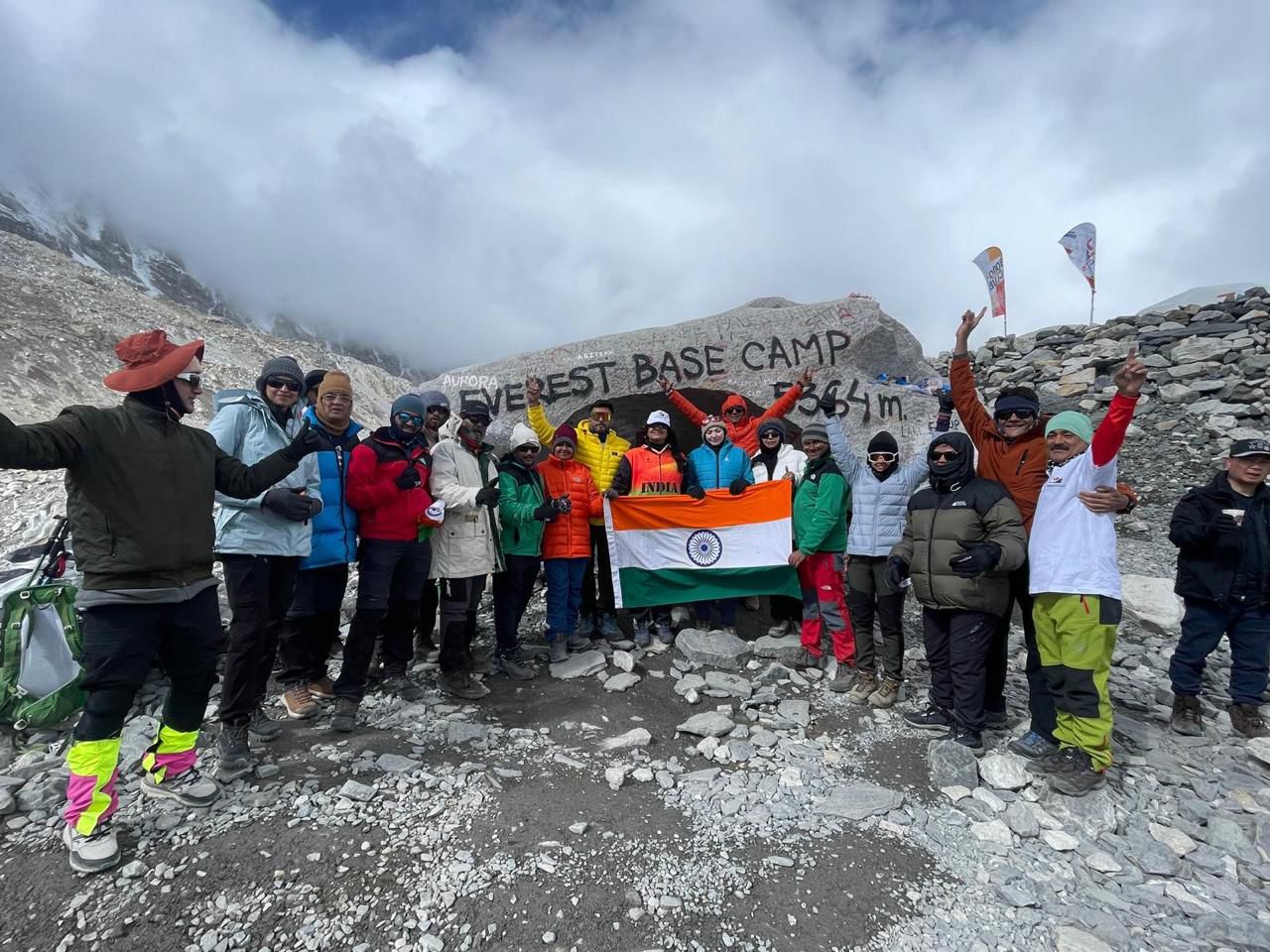
As the trek continues, you pass through Tengboche, Dingboche and Lobuche before reaching the ultimate destination, Everest Base Camp at 5,364 meters. The trek also includes an early-morning hike to Kala Patthar, one of the best viewpoints for panoramic views of Mount Everest and surrounding Himalayan peaks.
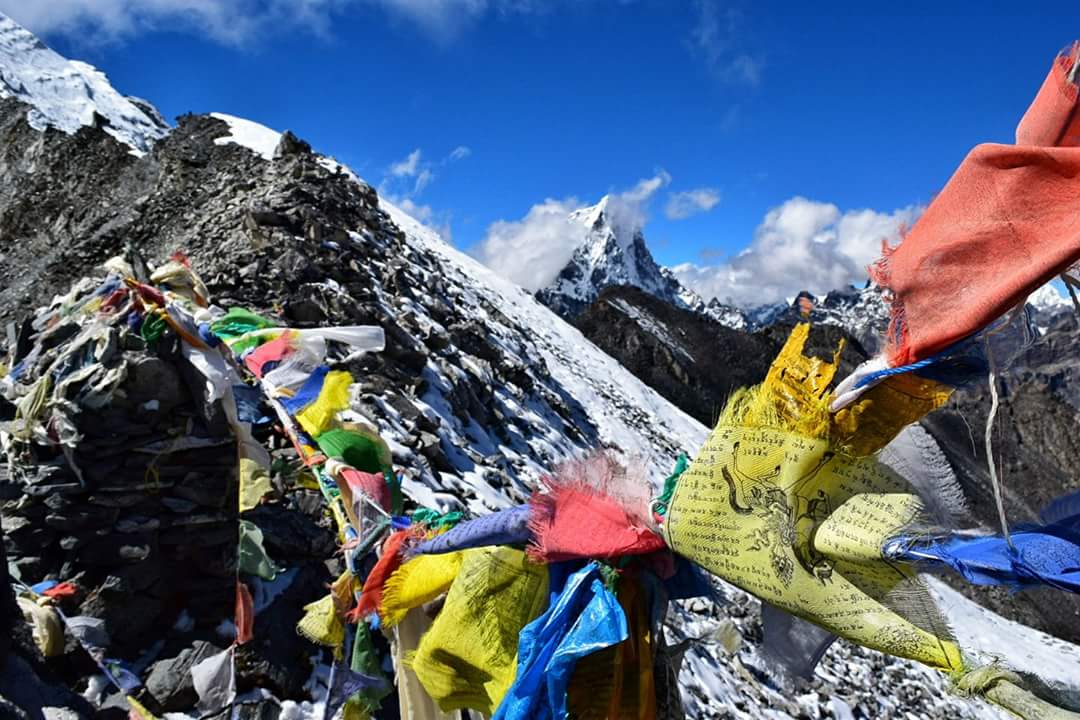
The journey combines adventure, natural beauty and cultural discovery. Along the route, you will encounter prayer wheels, mani walls, colorful prayer flags, Buddhist monasteries and welcoming Sherpa communities.
Whether you are an experienced trekker or planning your first Himalayan adventure, the Everest Base Camp Trek for beginners is achievable with appropriate preparation, fitness and acclimatization.
Nepal Trekking Trail provides experienced guides, reliable logistics and carefully planned itineraries to make your Everest journey safe, comfortable and memorable.
| Trip Information | Details |
|---|---|
| Trip Title | Everest Base Camp Trek 14 Days |
| Destination | Everest / Khumbu Region, Nepal |
| Duration | 14 Days |
| Trek Difficulty | Moderate to Challenging |
| Maximum Altitude | 5,545 m (Kala Patthar) |
| Everest Base Camp Altitude | 5,364 m |
| Accommodation | Hotel in Kathmandu & Teahouse/Lodge during trek |
| Meals | Breakfast, Lunch & Dinner during trek |
| Best Season | March–May & September–November |
| Starting Point | Kathmandu |
| Trekking Point | Lukla |
| Transportation | Kathmandu–Lukla–Kathmandu flight & trekking |
| Trekking Distance | Approximately 120–130 km |
| Major Highlights | Namche Bazaar, Tengboche Monastery, Everest Base Camp, Kala Patthar |
| Permits | Sagarmatha National Park & Local Area Permit |
| Guide | Experienced Trekking Guide |
| Porter | Available |
| Group Type | Private & Group Trek |
| Fitness Level | Good Physical Fitness Required |
| Accommodation in Kathmandu | As per selected package |
| Internet/Charging | Available at most lodges at additional cost |
| Travel Insurance | Required |
| Trip Operator | Nepal Trekking Trail |
The Everest Base Camp Trek offers much more than reaching the foot of the world's highest mountain. It is a complete Himalayan experience.
Highlights include:
Altitude: 1,400 m / 4,593 ft
Welcome to Nepal. Upon arrival at Tribhuvan International Airport in Kathmandu, a representative from Nepal Trekking Trail will meet you and transfer you to your hotel.
After checking in, you can relax and recover from your journey. Depending on your arrival time, you may explore the surrounding area or meet your trekking team for a trip briefing.
Overnight: Kathmandu
Lukla Altitude: 2,860 m
Phakding Altitude: 2,610 m
Trekking: Approximately 3–4 hours
Your Everest adventure begins with a scenic flight from Kathmandu to Lukla. During the flight, you can enjoy spectacular views of the Himalayan mountains.
After landing at Lukla Airport, you meet your trekking crew and begin walking through the beautiful Khumbu landscape.
The trail descends and follows the Dudh Koshi River toward Phakding. Along the way, you pass small villages, Buddhist prayer wheels and mani stones.
Overnight: Phakding
Altitude: 3,440 m
Trekking: Approximately 5–6 hours
After breakfast, the trail follows the Dudh Koshi River through beautiful pine and rhododendron forests.
You enter Sagarmatha National Park and cross several suspension bridges decorated with prayer flags.
The trail gradually becomes steeper as you approach Namche Bazaar. After the final uphill section, you arrive at Namche, the famous Sherpa town and gateway to Mount Everest.
Overnight: Namche Bazaar
Altitude: 3,440 m
Today is an important Everest Base Camp Trek acclimatization day.
Rather than remaining completely inactive, you take a short hike around Namche. A popular option is hiking toward the Everest View Hotel, from where you can enjoy impressive views of Everest, Ama Dablam, Lhotse and other Himalayan peaks.
You can also explore Namche Bazaar, visit local shops and learn more about Sherpa culture.
Proper acclimatization is one of the most important aspects of a successful Everest Base Camp Trek.
Overnight: Namche Bazaar
Altitude: 3,860 m
Trekking: Approximately 5–6 hours
The trail leaves Namche and follows a scenic route with excellent views of Everest, Lhotse, Nuptse and Ama Dablam.
After descending toward the Dudh Koshi River, you begin climbing toward Tengboche.
Tengboche is famous for its historic Buddhist monastery and spectacular mountain surroundings.
Overnight: Tengboche
Altitude: 4,410 m
Trekking: Approximately 5–6 hours
The trail descends through beautiful rhododendron forests before crossing the Imja River.
You continue toward Pangboche and gradually enter the higher alpine landscape.
The dramatic Ama Dablam dominates the scenery as you approach Dingboche, one of the major acclimatization settlements on the Everest Base Camp route.
Overnight: Dingboche
Altitude: 4,410 m
Another important acclimatization day is scheduled in Dingboche.
You can take a short hike to a nearby ridge or viewpoint to gain additional altitude while returning to sleep at Dingboche.
This gradual approach helps your body adapt to the increasing altitude before heading toward Everest Base Camp.
Overnight: Dingboche
Altitude: 4,940 m
Trekking: Approximately 5–6 hours
The landscape becomes increasingly rugged and dramatic as you leave Dingboche.
The trail climbs gradually toward the terminal moraine of the Khumbu Glacier.
You pass memorials dedicated to climbers who lost their lives on Himalayan expeditions before continuing toward Lobuche.
Overnight: Lobuche
Everest Base Camp: 5,364 m
Gorak Shep: 5,164 m
Trekking: Approximately 7–8 hours
This is one of the most exciting days of your Everest Base Camp Trek itinerary.
After breakfast, you follow the trail toward Gorak Shep and continue toward Everest Base Camp.
The trail crosses rugged glacial terrain, and the surrounding landscape becomes increasingly spectacular.
Finally, you arrive at Everest Base Camp, standing beneath the world's highest mountain.
After spending time at Base Camp and enjoying the extraordinary surroundings, you return to Gorak Shep for the night.
Overnight: Gorak Shep
Kala Patthar: Approximately 5,545 m
Trekking: Approximately 7 hours
Wake early for the hike to Kala Patthar, one of the best viewpoints in the Everest region.
From the summit, you can enjoy spectacular views of Mount Everest, Nuptse, Lhotse, Pumori and surrounding peaks.
After enjoying the sunrise, descend to Gorak Shep for breakfast and continue toward Pheriche.
Overnight: Pheriche
Altitude: 3,440 m
Trekking: Approximately 6–7 hours
Today you retrace the trail through the beautiful Khumbu landscape.
As you descend, the air becomes warmer and the vegetation becomes greener.
Continue through Pangboche and Tengboche before reaching Namche Bazaar.
Overnight: Namche Bazaar
Altitude: 2,860 m
Trekking: Approximately 6–7 hours
Your final day of trekking follows the trail back toward Lukla.
You cross suspension bridges and pass through several Sherpa villages before arriving at Lukla.
Celebrate the completion of your Everest Base Camp adventure with your trekking team.
Overnight: Lukla
Enjoy your scenic flight from Lukla back to Kathmandu.
Upon arrival, transfer to your hotel and enjoy the remainder of the day at leisure.
Overnight: Kathmandu
Your Everest Base Camp Trek 14-day adventure comes to an end.
A representative from Nepal Trekking Trail will assist you with your airport transfer according to your flight schedule.
Are you interested on planning custom trip? It only takes 2 minutes.
The Everest Base Camp Trek cost depends on several factors, including trek duration, group size, accommodation, transportation, guide and porter services, permits and additional services.
Nepal Trekking Trail offers competitive Everest Base Camp Trek packages designed for different budgets and travel preferences.
The total Everest Base Camp Trek price may vary depending on whether you choose a group trek, private trek or upgraded service.
For an accurate Everest Base Camp Trek cost 2026/2027, contact Nepal Trekking Trail for the latest package price based on your preferred travel date and group size.
Response Time 0-2 Hours , Response Rate 100%
The Everest Base Camp Trek difficulty is generally considered moderate to challenging.
You do not need mountaineering experience or technical climbing skills to complete the standard Everest Base Camp trek. However, you should be physically prepared for several hours of walking each day at high altitude.
The biggest challenge is not technical climbing but altitude.
The trek gradually rises from Lukla at approximately 2,860 meters to Everest Base Camp at 5,364 meters. Proper acclimatization, hydration, a controlled walking pace and adequate rest are essential.
For a reasonably fit person with proper preparation, the trek is achievable. However, high altitude can affect anyone regardless of age or fitness level.
You should prepare by:
Altitude is one of the most important considerations when planning the trek.
| Location | Approx. Altitude |
|---|---|
| Kathmandu | 1,400 m |
| Lukla | 2,860 m |
| Phakding | 2,610 m |
| Namche Bazaar | 3,440 m |
| Tengboche | 3,860 m |
| Dingboche | 4,410 m |
| Lobuche | 4,940 m |
| Gorak Shep | 5,164 m |
| Everest Base Camp | 5,364 m |
| Kala Patthar | 5,545 m |
The itinerary includes acclimatization days in Namche Bazaar and Dingboche to allow your body time to adapt to increasing elevation.
The total walking distance varies depending on the exact route and itinerary, but the classic Everest Base Camp trek involves approximately 120–130 km of trekking, including the return journey.
Daily walking distances vary according to terrain, altitude and acclimatization requirements.
Rather than focusing only on distance, trekkers should consider elevation gain, terrain and walking duration.
The best time for Everest Base Camp Trek is generally during spring and autumn.
Spring is one of the most popular trekking seasons.
The weather is generally favorable, visibility is often good and the rhododendron forests can be spectacular.
March, April and May are popular months for trekking in the Everest region.
Autumn is another excellent trekking season.
The monsoon generally leaves behind clear mountain views and stable trekking conditions.
October and November are particularly popular.
Winter brings colder temperatures and possible snowfall at higher elevations. Experienced trekkers may still enjoy the trek during this period with suitable preparation and equipment.
The monsoon season generally brings more rain in lower regions and can create flight and trail challenges.
For most travelers, spring and autumn offer the most favorable combination of weather and trail conditions.
Trekkers require the necessary permits and entry permissions for the Everest region.
The main requirements generally include:
Nepal Trekking Trail can arrange the required trekking permits as part of the organized trek.
Permit requirements and fees can change, so travelers should confirm the latest requirements before departure.
A suitable packing list is essential for a comfortable high-altitude trek.
Pack according to the season and consult your trekking agency for a detailed Everest Base Camp Trek packing list.
The traditional Everest Base Camp route begins with a flight to Lukla.
The Kathmandu to Lukla flight is a short but spectacular mountain flight offering views of Nepal's Himalayan landscape.
During busy trekking seasons, flight operations can sometimes be affected by weather or airport operational arrangements. Travelers should therefore maintain flexibility in their itinerary.
If flights are affected, alternative arrangements may be required depending on prevailing conditions.
Trekkers who want to reduce the walking distance on the return journey can consider an Everest Base Camp Trek with Helicopter Return.
After reaching Everest Base Camp and completing the trek's major highlights, a helicopter return can provide a faster and scenic alternative to walking all the way back to Lukla.
A helicopter return is particularly attractive for travelers who:
Helicopter services are subject to weather, aviation regulations, landing permissions and operational availability.
Can beginners do the Everest Base Camp Trek?
Yes, many first-time Himalayan trekkers successfully complete the trek, provided they prepare properly and follow an appropriate acclimatization schedule.
You don't need previous mountaineering experience for the standard trek.
However, beginners should understand that this is a high-altitude trek requiring endurance and preparation.
Nepal Trekking Trail's guides help trekkers maintain a suitable pace, monitor their condition and follow the planned acclimatization schedule.
Safety is a major priority during the Everest Base Camp Trek.
Important safety practices include:
Emergency evacuation by helicopter may be available when medically necessary and operationally possible, subject to weather, authorization and insurance arrangements.
Accommodation is generally provided in traditional Himalayan teahouses and lodges.
Rooms are typically simple and comfortable, with basic beds and blankets. At higher elevations, facilities become more basic.
Bathrooms may be shared, especially at higher elevations.
Some lodges offer additional services such as hot showers, Wi-Fi and charging facilities for an additional fee.
Meals are an important part of maintaining energy throughout the trek.
Typical teahouse menus include:
Dal bhat is especially popular among trekkers because it provides carbohydrates, protein and vegetables.
At higher elevations, it is advisable to eat nutritious meals and drink plenty of fluids.
Nepal Trekking Trail is committed to providing safe, organized and memorable Himalayan trekking experiences.
Our Everest Base Camp Trek services focus on:
Our trekking guides understand the Everest region, local culture, trails, weather and high-altitude trekking requirements.
The itinerary incorporates gradual altitude gain and acclimatization days to support a safer trekking experience.
We can arrange group, private and customized Everest Base Camp Trek packages.
Our local team provides insight into Sherpa culture, Buddhist traditions, mountain communities and the Khumbu environment.
From airport transfers and flights to accommodation, permits and trekking logistics, our team coordinates the major components of your trip.
The Everest Base Camp Trek is suitable for travelers who:
It can be suitable for first-time trekkers with proper preparation, but the trek should not be underestimated.
Excellent
The Everest Base Camp Trek cost depends on trek duration, group size, accommodation, transportation, guide and porter services, permits and additional services. Contact Nepal Trekking Trail for the latest package price.
The Everest Base Camp Trek is considered moderate to challenging. It does not require technical climbing skills, but trekkers need good endurance because of the long walking days and high altitude.
The classic trek can be completed in different durations. This package is a 14-day Everest Base Camp Trek itinerary, including arrival, trekking, return and departure arrangements.
Everest Base Camp is at approximately 5,364 meters, while Kala Patthar reaches approximately 5,545 meters.
Spring and autumn are generally considered the best seasons. March–May and September–November are especially popular.
Yes. Beginners can complete the trek with proper preparation, suitable fitness, gradual acclimatization and experienced guide support.
No technical trekking or mountaineering experience is required. However, previous hiking experience can be helpful.
Travelers should check the latest Nepal trekking regulations and local requirements before departure. Nepal Trekking Trail provides experienced trekking guides as part of its organized trekking services.
The trek generally requires Sagarmatha National Park entry permission and the applicable Khumbu local permit. Nepal Trekking Trail can assist with the required permits.
The exact distance depends on the route and itinerary, but the classic round-trip trekking distance is approximately 120–130 km.
You should bring suitable trekking boots, warm layers, waterproof clothing, a sleeping bag, trekking poles, sunglasses, sunscreen, a headlamp, water bottles, personal medication and other essential trekking equipment.
Yes. A helicopter return can be arranged as an alternative to walking the entire return route, subject to weather, aviation regulations and availability.
High altitude is the primary concern. Proper acclimatization, hydration, gradual ascent, appropriate preparation and professional guide support can help reduce risks.
Yes, experienced and properly prepared trekkers can trek during winter, although temperatures are much colder and weather conditions can be more challenging.
Everest Base Camp stands at approximately 5,364 meters above sea level.
Response Time 0-2 Hours , Response Rate 100%
You may also like
Everest View Trek 7 Days With Nepal Trekking Trail Offers A Short Everest Adventure To 3,880m With Everest Views, Namche Bazaar, Sherpa Villages, Itinerary, Cost And Expert Guides. View Details →
Experience The Gokyo Valley Trek 12 Days With Nepal Trekking Trail. Explore Gokyo Lakes, Climb Gokyo Ri At 5,357 M, And Enjoy Spectacular Everest, Lhotse, Makalu And Cho Oyu Views. View Details →
Everest Three Passes Trek 20 Days Takes You Across Kongma La, Cho La And Renjo La With Everest Base Camp, Kala Patthar And Gokyo Lakes. Explore Itinerary, Cost, Difficulty And Permits. View Details →
 30 Minutes Drive
 Hotel in Kathmandu
 Breakfast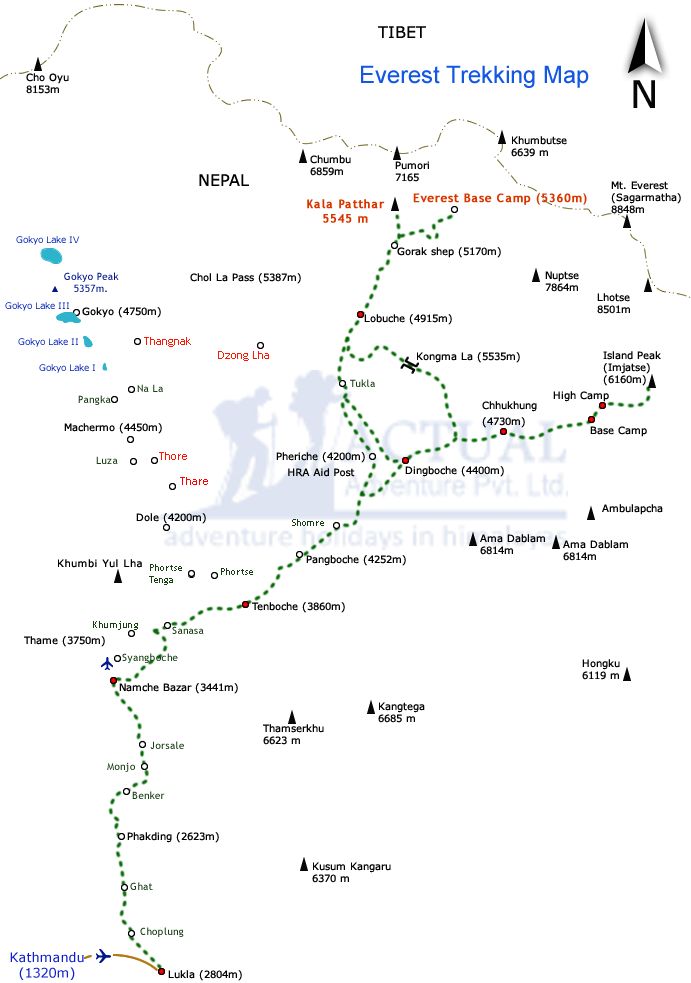


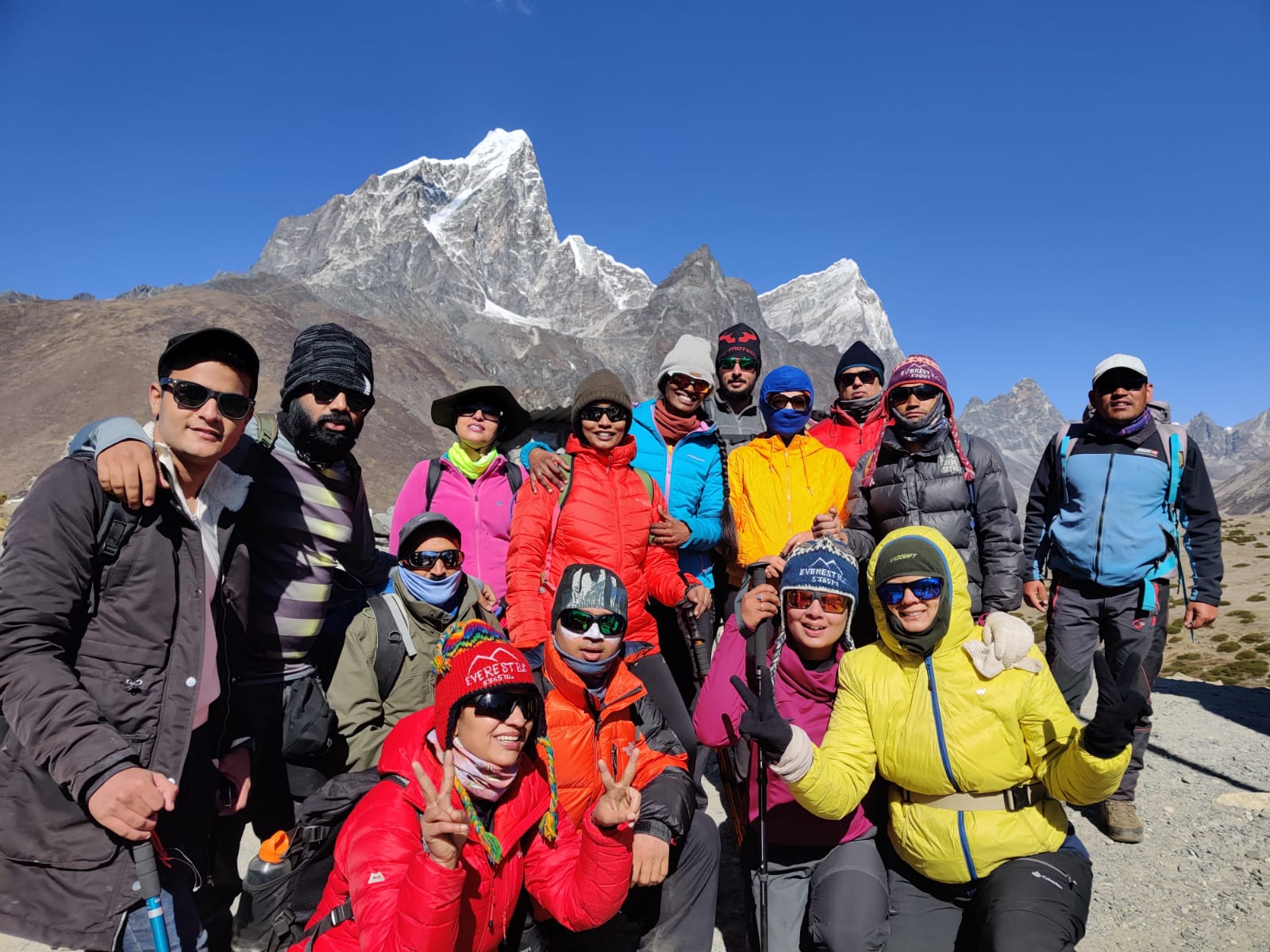
A Journey That Changed My Perspective
I Had Dreamed About Seeing Everest For Years, But I Did Not Expect The Trek Itself To Become Such A Meaningful Experience. The 14-day Everest Base Camp Trek With Nepal Trekking Trail Was Challenging, Rewarding, And Full Of Moments That I Will Remember For A Very Long Time.
From The Beginning, Everything Was Well Organized. The Walk From Lukla Through Phakding, Namche Bazaar, Tengboche And Dingboche Gave Us Time To Experience The Changing Landscape And Mountain Culture. Reaching Everest Base Camp Was An Emotional Moment, But I Also Loved The Quieter Experiences Along The Trail.
Our Guide, Chandra, Made A Huge Difference. He Was Patient Whenever The Pace Became Difficult And Always Encouraged Us Without Putting Unnecessary Pressure On Us. He Also Paid Close Attention To How Everyone Was Feeling At Higher Elevations.
I Would Also Like To Thank Kedar Neupane, The Owner Of Nepal Trekking Trail, For Making Sure The Arrangements Were Handled Properly. His Communication And Attention To The Details Gave Us Confidence Throughout The Journey.
This Was Much More Than Simply Reaching Everest Base Camp. It Was A Personal Journey That Taught Me To Appreciate Patience, Determination, And The Beauty Of The Himalayas.
Excellent Organization From Kathmandu To Base Camp
I Chose Nepal Trekking Trail Because I Wanted A Well-organized Everest Base Camp Experience Rather Than Having To Worry About Every Logistical Detail Myself. After Completing The 14-day Trek, I Was Very Pleased With My Decision.
The Organization Was One Of The Strongest Parts Of The Trip. From The Kathmandu Arrangements And Lukla Flight To Teahouse Accommodation And Daily Trekking Plans, Everything Was Explained Clearly. The Acclimatization Days In Namche Bazaar And Dingboche Were Particularly Helpful Because I Could Understand Why We Were Not Simply Rushing Toward Base Camp.
Guide Basu Was Professional And Dependable Throughout The Trek. He Managed The Walking Pace Very Well And Regularly Checked On The Group. Whenever Someone Had Questions About Altitude, Food, Accommodation, Or The Next Day's Walk, He Was Happy To Explain.
Kedar Neupane, The Owner, Was Also Very Responsive. His Communication Before The Trek Made The Preparation Much Easier, And It Was Reassuring To Know That The Company Was Paying Attention To The Trip While We Were In The Mountains.
The Trek Itself Was Demanding, But The Organization Made It Much More Manageable. For Anyone Considering Their First Everest Base Camp Trek, I Would Definitely Recommend Preparing Properly And Choosing A Team That Understands The Logistics Of The Region.
The Adventure Of A Lifetime In The Himalayas
What An Adventure!
The Everest Base Camp Trek Was Everything I Hoped For And More. Every Day Brought Something Different—suspension Bridges, Steep Trails, Mountain Villages, Prayer Flags, Glaciers, And Incredible Himalayan Views.
The First Real Highlight For Me Was Arriving In Namche Bazaar. From There, The Scenery Became More Dramatic Every Day. Seeing Ama Dablam For The First Time Was Unforgettable. Then Came Tengboche, Dingboche, Lobuche And Finally The Big Day Toward Everest Base Camp.
Standing At Everest Base Camp After So Many Days Of Walking Was An Incredible Feeling. The Following Morning, The Hike Toward Kala Patthar Gave Us Another Spectacular Perspective Of Everest And The Surrounding Mountains.
Our Guide, Uttam, Was Excellent. He Knew When To Encourage Us, When To Slow Down, And How To Keep The Atmosphere Positive During The Harder Sections. His Experience Made The Trek Feel Like An Adventure Rather Than Simply A Difficult Physical Challenge.
I Also Appreciated The Support From Kedar, Owner Of Nepal Trekking Trail. The Planning And Arrangements Were Handled Professionally, Which Allowed Us To Concentrate On Enjoying The Mountains.
If You Love Adventure, Mountains, And Challenges, This Trek Deserves A Place On Your Bucket List.
More Than A Trek – Discovering Sherpa Culture
Before Starting This Trek, I Thought The Main Purpose Would Be To See Mount Everest. After 14 Days In The Khumbu Region, I Realized That Everest Was Only One Part Of The Experience.
I Especially Enjoyed Walking Through The Sherpa Villages And Learning About The Local Way Of Life. Namche Bazaar Was Fascinating, While Tengboche Monastery Was One Of The Most Peaceful And Memorable Places I Visited In Nepal. The Prayer Wheels, Mani Stones, Monasteries, Colorful Prayer Flags, And Mountain Homes Gave The Journey A Very Special Character.
Our Guide, Chandra, Helped Us Understand The Cultural Significance Of The Places We Visited. He Was Never In A Hurry To Simply Move From One Destination To Another. When We Had Questions About Sherpa Traditions Or Buddhist Practices, He Took Time To Explain Them.
The Support From Kedar, Owner Of Nepal Trekking Trail, Was Also Appreciated. Everything Was Organized Professionally, But The Experience Still Felt Personal And Welcoming.
Of Course, Reaching Everest Base Camp Was An Unforgettable Achievement. However, What I Will Remember Most Are The People, Villages, Monasteries, And Peaceful Moments Along The Trail.
This Trek Gave Me A Much Deeper Appreciation Of Nepal And The Himalayan Way Of Life.
My First High-Altitude Trek Was Better Than Expected
I Was Nervous Before Booking The Everest Base Camp Trek Because I Had Never Done A High-altitude Trek Before. My Biggest Concerns Were Whether I Was Fit Enough, How I Would Handle The Altitude, And Whether I Could Actually Make It To Base Camp.
Those Worries Gradually Disappeared Once The Trek Began.
Guide Basu Was One Of The Main Reasons I Felt Comfortable. He Never Rushed Us And Always Reminded Us To Walk At A Manageable Pace, Drink Enough Water, And Take Proper Rest. The Acclimatization Days Also Helped Me Understand That Reaching Everest Base Camp Is Not About Walking As Fast As Possible—it Is About Giving Your Body Enough Time To Adapt.
The Trail Was Challenging, Especially As We Reached Higher Elevations, But The Scenery Made Every Difficult Section Worthwhile. When I Finally Saw The Everest Base Camp Sign, I Felt Incredibly Proud. The Sunrise Experience From Kala Patthar Was Another Highlight That I Will Never Forget.
I Would Also Like To Thank Kedar Neupane, Owner Of Nepal Trekking Trail, For Making The Arrangements Straightforward And Responding To Our Questions During The Planning Process.
As A First-time High-altitude Trekker, I Found The Experience Challenging But Achievable With Preparation And Good Guidance. I Came Home Tired, Proud, And Already Thinking About My Next Himalayan Adventure.