Top 10 Treks In Nepal: How To Choose And Prepare For Your Perfect Himalayan Adventure
By Nepal Trekking Trail On 03 Sep 2026
Quick Contact
By Nepal Trekking Trail On 03 Sep 2026
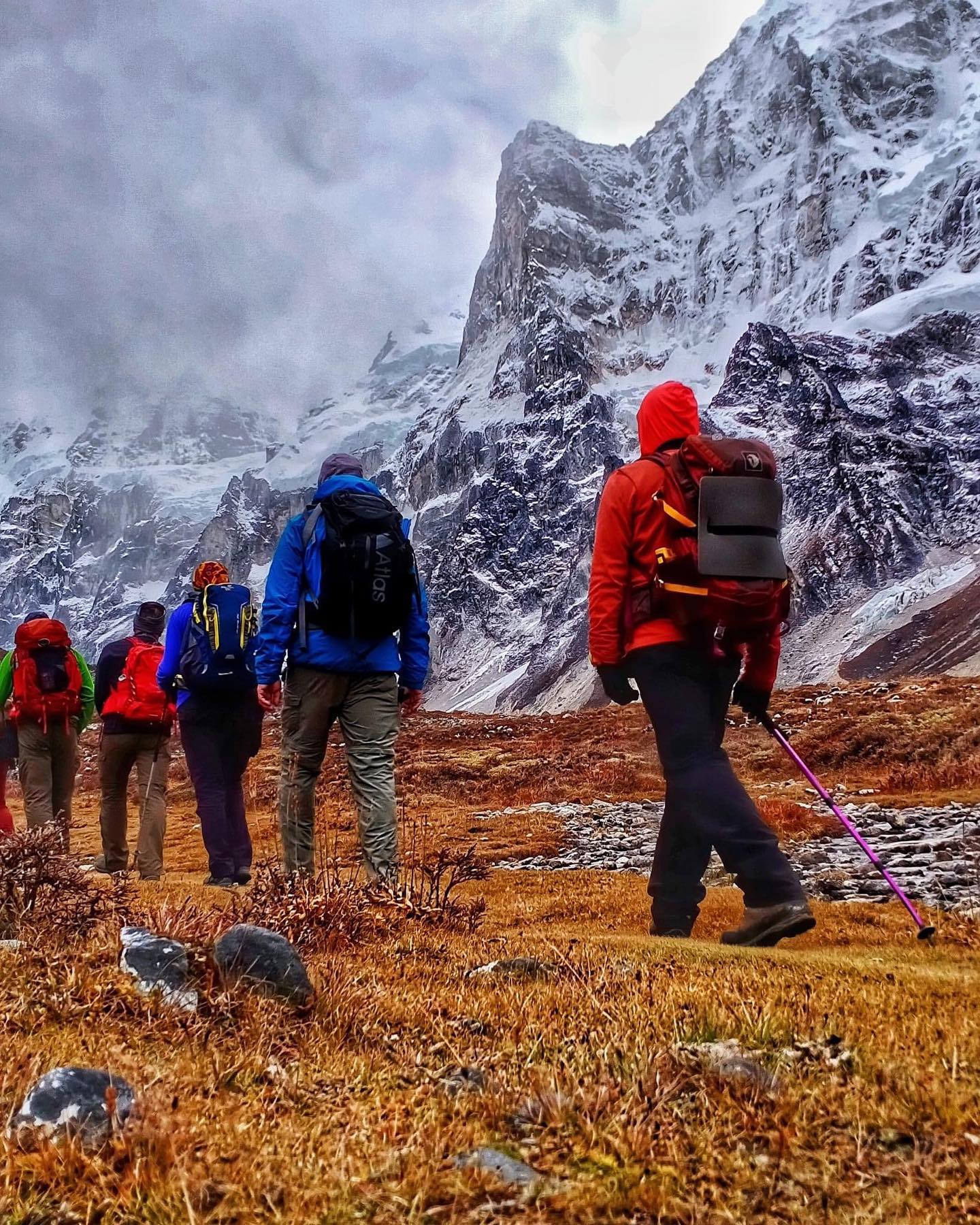
Nepal is one of the world's greatest trekking destinations, offering everything from short Himalayan hikes for beginners to challenging high-altitude adventures deep in the mountains. With spectacular peaks, traditional mountain villages, ancient cultures, dramatic landscapes and legendary trails, there is a trek in Nepal for almost every type of traveler.
But choosing the right trek is only the beginning. Proper preparation is the key to enjoying a safe, comfortable and memorable Himalayan trekking experience.
Whether you dream of standing at Everest Base Camp, crossing Thorong La Pass, exploring the remote wilderness of Dolpo or watching sunrise over the Annapurna range from Poon Hill, understanding the trail, altitude, duration, fitness requirements and best preparation will help you make the right choice.
In this guide, we compare the 10 best trekking destinations in Nepal and explain exactly how to prepare for your adventure.
Nepal is home to eight of the world's fourteen mountains above 8,000 meters, including Mount Everest. However, trekking in Nepal is about much more than mountains.
Along the trails, trekkers experience:
The diversity of Nepal's trekking routes means you can choose a short trek of just a few days or spend several weeks exploring remote Himalayan valleys.
Here is a quick comparison to help you select a trek based on your available time, fitness level and interests.
| Trekking Destination | Standard Duration | Maximum Elevation | Main Highlights |
|---|---|---|---|
| Everest Base Camp | 12–16 Days | 5,364m / 5,545m Kala Patthar | Sherpa culture, Khumbu Glacier, iconic Everest views |
| Annapurna Circuit | 10–17 Days | 5,416m Thorong La | Diverse scenery, Muktinath, trans-Himalayan landscapes |
| Manaslu Circuit | 14–18 Days | 5,160m Larkya La | Remote trails, Budhi Gandaki Gorge, Tibetan culture |
| Annapurna Base Camp | 7–12 Days | 4,130m | Mountain amphitheater, Gurung villages, spectacular peaks |
| Langtang Valley | 7–10 Days | 4,773m Kyanjin Ri | Easy access from Kathmandu, Tamang culture, mountain scenery |
| Gokyo Lakes | 12–14 Days | 5,357m Gokyo Ri | Turquoise lakes, Ngozumpa Glacier, Everest-region scenery |
| Upper Mustang | 10–14 Days | 3,840m–4,200m | Lo Manthang, caves, Tibetan culture, rain-shadow landscape |
| Ghorepani Poon Hill | 4–5 Days | 3,210m | Sunrise, Annapurna and Dhaulagiri views |
| Mardi Himal | 5–7 Days | Around 4,500m | Quiet ridges, forests, close-up Machhapuchhre views |
| Shey Phoksundo / Dolpo | 10–12+ Days | Around 3,600m+ | Phoksundo Lake, Bon culture, remote wilderness |
Duration and maximum elevation can vary depending on the exact itinerary and side trips.
Best for: First-time high-altitude trekkers, adventure seekers and Everest enthusiasts
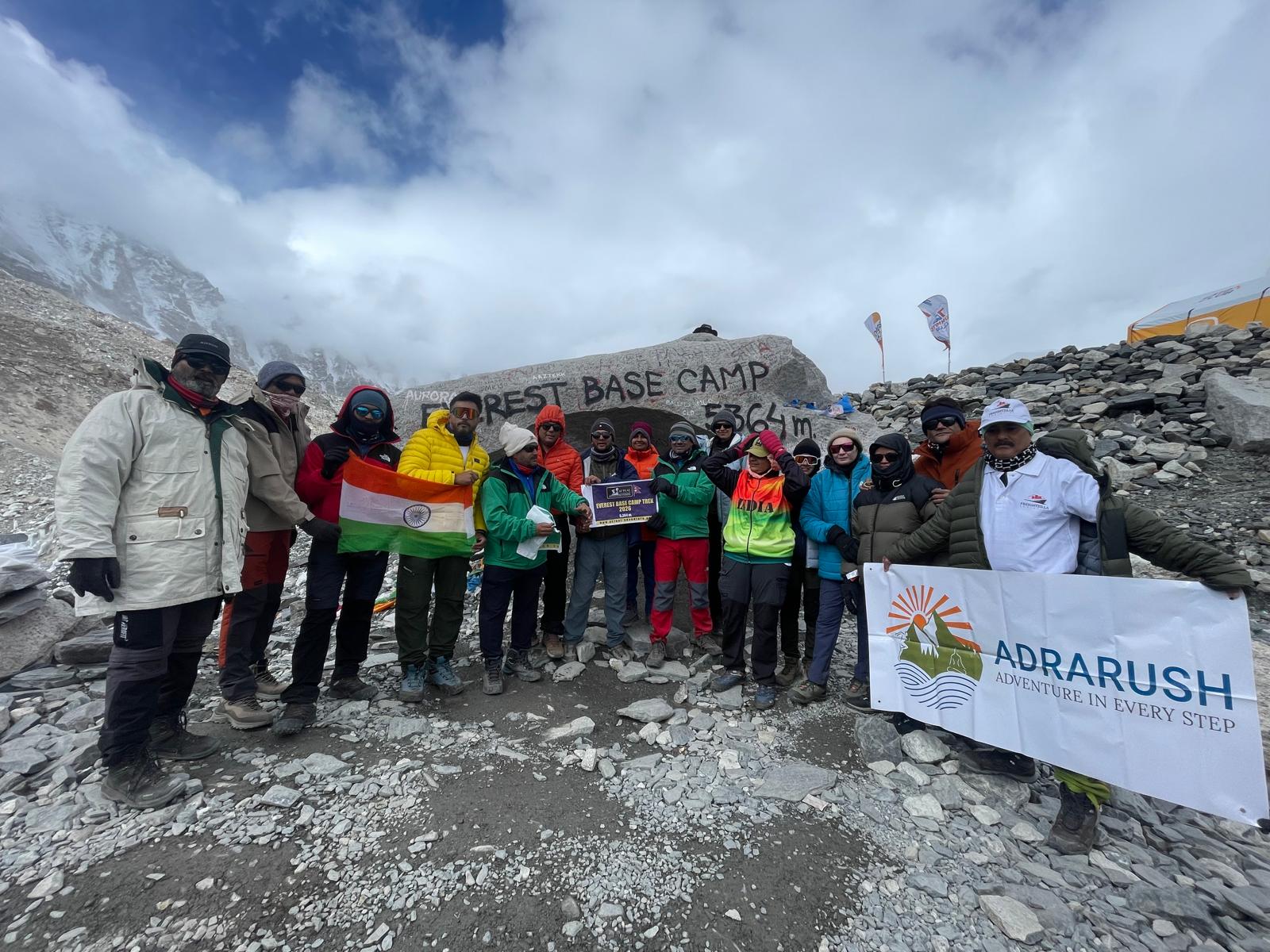
The Everest Base Camp Trek is arguably Nepal's most famous trekking adventure. The journey takes you through the legendary Khumbu region, home to the Sherpa people and some of the world's highest mountains.
The trail passes through famous villages such as Namche Bazaar, Tengboche, Dingboche and Lobuche before reaching Everest Base Camp.
A hike to Kala Patthar provides one of the classic panoramic views of Mount Everest and surrounding peaks.
Allow enough time for acclimatization. Cardiovascular training, regular walking and hiking practice before your trip are highly recommended.
Recommended preparation: Begin training at least 6–8 weeks before departure.
Best for: Trekkers looking for changing landscapes, cultural diversity and a high mountain pass
The Annapurna Circuit is one of Nepal's most diverse trekking routes. The landscape changes dramatically as you travel from lush lower valleys to high alpine terrain and the dry Tibetan-style landscape of Mustang.
The major challenge is Thorong La Pass at 5,416 meters.
The trek also provides access to the famous pilgrimage destination of Muktinath, making it especially attractive to travelers interested in both Himalayan scenery and spirituality.
The biggest challenge is altitude and the long walking days. Build your endurance gradually and prepare for changing weather conditions.
Best for: Experienced trekkers seeking a quieter and more remote Himalayan experience
The Manaslu Circuit is an excellent choice for travelers who want spectacular mountain scenery without the same level of traffic found on some of Nepal's more popular trails.
The route follows the Budhi Gandaki Valley before crossing Larkya La Pass at 5,160 meters.
You will experience traditional villages, Buddhist monasteries and strong Tibetan cultural influences.
Because of the remoteness and altitude, this trek requires good physical preparation. A longer itinerary with proper acclimatization is strongly recommended.
Best for: Trekkers with limited time who want an impressive Himalayan experience
The Annapurna Base Camp Trek is one of Nepal's most rewarding moderate-to-high-altitude adventures.
The trail passes through forests, traditional Gurung villages and dramatic mountain terrain before reaching the spectacular Annapurna Sanctuary.
At base camp, mountains rise dramatically around you, creating a spectacular natural amphitheater.
Regular hiking, stair climbing and cardiovascular exercise can prepare you well for this trek.
Best for: Beginners and travelers with limited time
Langtang Valley is one of the most accessible trekking regions from Kathmandu. Despite being relatively close to the capital, the trail quickly takes you into beautiful Himalayan landscapes.
The trek combines mountain scenery with Tamang culture and traditional villages.
A side trip toward Kyanjin Ri offers impressive mountain views.
This is a good option for trekkers who want a Himalayan experience without committing to a very long expedition.
Best for: Experienced trekkers who want an alternative to the classic Everest Base Camp route
The Gokyo Lakes Trek takes you into the Everest region but follows a different route through the beautiful Gokyo Valley.
The turquoise glacial lakes and massive Ngozumpa Glacier are among the major attractions.
From Gokyo Ri, trekkers can enjoy spectacular views of Everest and other Himalayan peaks.
Because the trek reaches more than 5,000 meters, altitude acclimatization and steady pacing are essential.
Best for: Culture lovers, photographers and travelers looking for a unique Himalayan landscape
Upper Mustang is dramatically different from Nepal's green mountain valleys. Located in the rain-shadow region of the Himalayas, the landscape features barren cliffs, deep valleys and Tibetan-style settlements.
The historic walled city of Lo Manthang is one of the major attractions.
Prepare for dry conditions, strong sunlight, wind and significant temperature changes between day and night.
Best for: Beginners, families and travelers with limited time
If you only have a few days for trekking in Nepal, Ghorepani Poon Hill is one of the best choices.
The highlight is an early-morning hike to Poon Hill to watch the sun rise over the Annapurna and Dhaulagiri ranges.
Although it is a relatively short trek, expect plenty of stone steps. Walking and stair training before the trek can make the journey much easier.
Best for: Beginners and intermediate trekkers seeking quieter trails
Mardi Himal has become increasingly popular for its spectacular ridge walking and relatively peaceful atmosphere.
The trail provides impressive views of Machhapuchhre (Fishtail) and the Annapurna range.
The trek is shorter than many high-altitude routes, but the final sections can be steep. Good walking fitness is recommended.
Best for: Experienced trekkers, photographers and wilderness explorers
Dolpo is one of Nepal's most remote trekking regions. It offers a completely different Himalayan experience, with rugged landscapes, traditional villages and ancient Bon cultural heritage.
The spectacular Phoksundo Lake is one of the region's greatest attractions.
Remote trekking requires careful planning. Trekkers should be prepared for limited infrastructure, long walking days and changing mountain conditions.
Choosing your trek is important, but preparation determines how comfortably and safely you complete it.
Here is a practical preparation checklist.
Do not choose a trek simply because it is famous.
Consider:
For beginners, Poon Hill, Mardi Himal, Langtang Valley and Annapurna Base Camp can be good starting points depending on the itinerary and individual fitness.
For experienced trekkers, Everest Base Camp, Gokyo, Manaslu, Annapurna Circuit, Upper Mustang and Dolpo offer more demanding adventures.
You do not need to be an elite athlete to trek in Nepal, but you should prepare your body for several consecutive days of walking.
Start training around 6–8 weeks before your trek, or earlier for demanding routes.
Walking and hiking
Gradually increase your walking distance and include hills or stairs.
Cardiovascular training
Try:
Strength training
Focus on:
The goal is not maximum strength. The goal is endurance and the ability to walk comfortably for several hours on consecutive days.
Altitude is one of the most important factors when trekking in Nepal.
Many popular routes reach above 4,000 meters, while some cross passes above 5,000 meters.
Altitude sickness can affect anyone, regardless of age or fitness.
A well-designed itinerary should include appropriate acclimatization rather than trying to reach high elevations too quickly.
You do not need to carry your entire house into the Himalayas. Smart packing is better than heavy packing.
For longer treks, your trekking company may provide or arrange a duffel bag and porter service, depending on your package.
The main trekking seasons in Nepal are generally:
Spring brings warmer temperatures, blooming rhododendrons and generally favorable trekking conditions.
Autumn is one of the most popular trekking seasons because of generally clear mountain views and comfortable conditions.
Lower-altitude treks can still be excellent, but high passes and higher routes can be extremely cold and may experience snow.
Rain affects many trekking regions, although rain-shadow areas such as Upper Mustang can offer an interesting alternative.
Always check current weather, trail and access conditions before departure.
Travel insurance is an important part of Himalayan trekking preparation.
For high-altitude trekking, check that your policy specifically covers:
Do not assume that a standard travel insurance policy automatically covers high-altitude trekking.
A professional guide can make your journey safer, easier and more enjoyable.
A good trekking operator can help arrange:
A knowledgeable local guide also gives you valuable insight into mountain culture, traditions, history and local communities.
Himalayan trekking is not always predictable.
Flights can be delayed because of weather. Trails can become difficult after rain or snowfall. Accommodation may be basic in remote areas.
The best mindset is:
Expect the unexpected and enjoy the journey.
Flexibility, patience and a positive attitude are just as important as physical fitness.
Your ideal trek depends on your time, fitness and interests.
| If You Want... | Recommended Trek |
|---|---|
| Short beginner trek | Poon Hill |
| Quiet short trek | Mardi Himal |
| Easy access from Kathmandu | Langtang Valley |
| Iconic Everest experience | Everest Base Camp |
| Lakes and Everest views | Gokyo Lakes |
| Diverse landscapes | Annapurna Circuit |
| Mountain culture and remote trails | Manaslu Circuit |
| Dramatic Tibetan landscape | Upper Mustang |
| High-altitude adventure | Everest / Gokyo / Manaslu / Annapurna Circuit |
| Remote wilderness | Dolpo |
| Mountain and pilgrimage experience | Annapurna Circuit + Muktinath |
Your available time should strongly influence your choice.
Choose Ghorepani Poon Hill.
Consider Mardi Himal.
Langtang Valley or Annapurna Base Camp can be excellent choices.
Consider Everest Base Camp, Gokyo Lakes, Upper Mustang or selected Annapurna routes.
Look at Manaslu Circuit, longer Everest-region routes or remote Himalayan adventures.
Remember that the actual number of days depends on transportation, acclimatization days, side trips and your chosen itinerary.
If you are planning a major Himalayan trek, this simple schedule can help.
Walk 30–60 minutes regularly and begin basic strength exercises.
Add longer weekend hikes and stair climbing.
Try hiking for several hours while carrying a light backpack.
Complete a few longer hikes, break in your trekking boots and test your clothing and equipment.
During the final week, prioritize rest rather than trying to dramatically increase your fitness.
Food is an important source of energy during a Himalayan trek.
Common trekking meals include:
At higher elevations, focus on foods that provide carbohydrates and adequate calories.
Drink plenty of fluids and carry snacks such as:
Energy bars
Nuts
Dried fruit
Chocolate
Trail mix
Nepal's mountains are home to diverse communities and fragile ecosystems.
During your trek:
Ask before photographing people
Respect monasteries and religious sites
Avoid littering
Carry reusable bottles
Use established trails
Avoid unnecessary plastic
Respect local customs
Support locally owned businesses where possible
Responsible trekking helps protect Nepal's mountain environment and benefits the communities that depend on tourism.
Before leaving Kathmandu, make sure you have:
✓ Passport and required documents
✓ Travel insurance
✓ Trekking permits
✓ Appropriate trekking shoes
✓ Layered clothing
✓ Sunglasses and sunscreen
✓ Water bottle
✓ Personal medicines
✓ Headlamp
✓ Power bank
✓ Cash for remote areas
✓ Properly tested trekking gear
✓ Emergency contact information
Most importantly, do not rush the mountains.
Take your time, follow your itinerary, listen to your guide and enjoy the villages, landscapes and people you meet along the way.
From the legendary trails of the Everest region to the peaceful ridges of Mardi Himal, the spiritual journey to Muktinath and the remote wilderness of Dolpo, Nepal offers an extraordinary range of trekking experiences.
The best trek is not necessarily the highest or longest one. The best trek is the one that matches your fitness, available time, interests and expectations.
With the right preparation, a carefully designed itinerary and experienced local support, your Himalayan adventure can become one of the most memorable journeys of your life.
Ready to explore Nepal? Choose your trail, prepare your body, pack smart and get ready to walk into the Himalayas.
Discover more articles that match your interests! Explore these similar blogs packed with insights, tips, and stories to keep you inspired.
Discover the world\'s most spectacular Himalayan trails with our Nepal Trekking Packages 2026/27. From the legendary Eve...
Everest Base Camp Trek, Annapurna Circuit Trek, Manaslu Circuit Trek, Mardi Himal Trek, Langtang Valley Trek, and Upper ...