Do You Need A Guide For The Annapurna Circuit Trek
By Nepal Trekking Trail On 08 Nov 2026
Quick Contact
By Nepal Trekking Trail On 08 Nov 2026
Yes. Since 1 April 2023, foreign trekkers on the Annapurna Circuit must walk with a licensed guide (or licensed porter-guide) arranged through a government-registered trekking agency. A good guide costs about USD 25–35 per day and a porter about USD 20–25 per day, and on a trek that crosses the 5,416 m Thorong La Pass, that support is worth far more than the law requires.
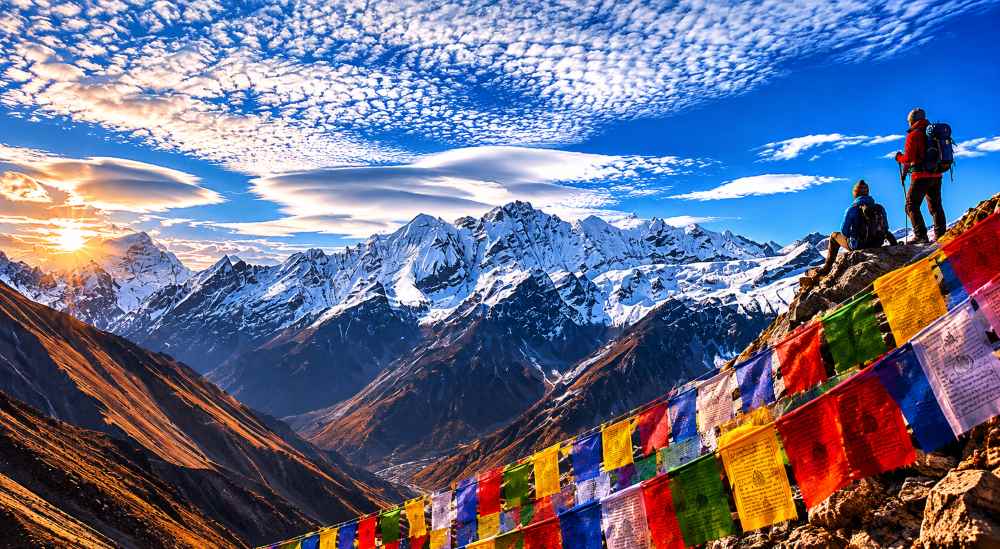
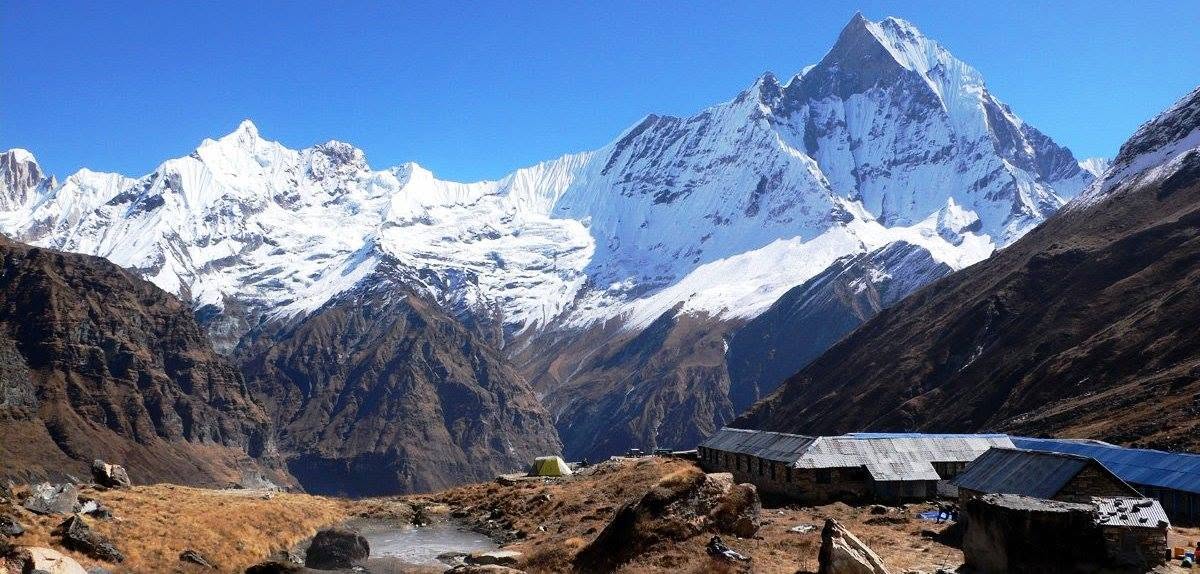
The Annapurna Circuit is one of the great walks on Earth. It loops around the Annapurna massif through rice terraces, pine forest, Tibetan-style villages in Manang and the high desert of Mustang. It is also a serious high-altitude trek: most itineraries take 12–16 days and climb from about 800 m to over 5,400 m.
This guide answers the questions trekkers ask us most: Do I need a guide? Why? How do I hire a good one? And what does a guide or porter cost per day in 2026?
Yes. The Nepal Tourism Board (NTB) decided in March 2023 that free independent trekkers (FITs) must hire a licensed guide, effective 1 April 2023. The Annapurna Conservation Area, which contains the whole Circuit, falls under that rule. The Everest (Khumbu) region is the main exception, after its local municipality chose not to enforce it.
The rule has not slowed the trail down. The Annapurna Circuit recorded 30,866 foreign trekkers in 2024, an all-time high, with Kathmandu Post reporting that trekkers hired guides as required.
|
Permit |
Fee (foreign nationals) |
SAARC nationals |
Notes |
|---|---|---|---|
|
ACAP (Annapurna Conservation Area Permit) |
NPR 3,000 (about USD 21–23) |
NPR 1,000 |
Official fee incl. tax; online payment adds 2.9% (NTNC ePermit). Fee is doubled if bought at a trail checkpoint. Children under 10 free. |
|
TIMS card (via your agency) |
NPR 2,000 |
NPR 1,000 |
Since 2023 issued through registered agencies, not to solo walkers. Checking on the Annapurna trail varies; your agency arranges it. |
Your agency normally arranges both permits before you start. Carry your passport and permits; they are checked at points such as Dharapani, Manang and Muktinath.
The rule exists because the Annapurna Circuit is a high-altitude trek where small mistakes become emergencies. A good guide earns their fee in these seven ways:
Bottom line: even experienced hikers benefit from a guide on the Circuit. Altitude does not care how fit you are.
A licensed guide (or licensed porter-guide) is the legal minimum. A porter is optional but makes the Circuit far more enjoyable.
|
Role |
What they do |
Carries your bag? |
Meets the guide rule? |
Best for |
|---|---|---|---|---|
|
Licensed guide |
Leads, paces, handles safety, lodges, permits, culture |
No (daypack only) |
Yes |
Everyone; essential for first-timers |
|
Porter |
Carries up to 20–25 kg (often two trekkers' bags combined) |
Yes |
No, not on its own |
Trekkers who want to walk with a light daypack |
|
Porter-guide |
Carries a moderate load (about 10–15 kg) and guides |
Partly |
Yes, if licensed |
Solo trekkers or couples on a tighter budget |
Our advice: for two trekkers, one guide plus one shared porter is the best value. Solo trekkers who pack light can choose a licensed porter-guide.
In 2026, a licensed Annapurna Circuit guide costs USD 25–35 per day and a porter USD 20–25 per day when booked through a registered agency. Senior guides with fluent English or another language (French, German, Spanish, Chinese) charge more.
|
Service |
Daily rate (USD) |
14-day total (USD) |
Suggested tip (USD) |
|---|---|---|---|
|
Licensed guide |
25–35 |
350–490 |
5–10 per day (70–140 total) |
|
Senior / foreign-language guide |
35–50 |
490–700 |
7–12 per day |
|
Porter (up to 20–25 kg) |
20–25 |
280–350 |
3–5 per day (40–70 total) |
|
Licensed porter-guide |
25–35 |
350–490 |
5–8 per day |
When you book through an agency, the daily rate normally covers your guide's or porter's:
Always ask whether these are included. A "cheap" daily rate that leaves you paying the guide's meals and lodging is not cheap.
|
Item |
Cost (USD) |
|---|---|
|
Guide, 14 days × 30 |
420 |
|
Porter, 14 days × 22 |
308 |
|
Tips (guide 100, porter 60) |
160 |
|
Total staff cost |
888 |
|
Per trekker (split by 2) |
444 |
This covers staff only. Permits, your own food, lodging and transport are extra. A full guided package on the Annapurna Circuit usually runs about USD 1,200–1,800 per person.
Tipping is customary in Nepal's trekking industry and makes up an important part of staff income. Hand tips to each person individually at the end of the trek, in Nepali rupees or US dollars, ideally in an envelope with a thank-you note.
The best guide is licensed, experienced on this exact route, trained in first aid, and employed by an agency that insures and stands behind them. Follow these steps:
You can travel to Nepal alone, but you cannot legally trek the Circuit without a licensed guide. A solo traveller simply walks with one guide or porter-guide, which also costs less than joining a group if you want full flexibility.
No. The mandatory guide rule applies only to foreign nationals.
No. Only a licensed guide (or licensed porter-guide) is required. A porter is optional but strongly recommended if you do not want to carry 8–12 kg above 4,000 m.
Yes. One guide usually leads up to about 6–8 trekkers. Larger groups get an assistant guide. Sharing a guide is the easiest way to cut costs.
Yes, through a registered agency, but in October–November and March–April the best guides are booked weeks ahead. Book 1–2 months in advance for peak season.
Most itineraries take 12–16 days from Kathmandu. Add 2–3 days for Tilicho Lake. Always include at least one acclimatisation day in Manang.
October–November and March–May give the most stable weather and clearest views. December–February is quieter but Thorong La can close after heavy snow. June–August is the monsoon, with rain, leeches and landslide risk on the lower trail.
Yes. Your policy should cover trekking up to at least 5,500 m and helicopter evacuation. Most agencies will ask for your policy details before the trek.
A licensed guide is required on the Annapurna Circuit, and on a route that crosses a 5,416 m pass, it is also the smartest money you will spend. For about USD 25–35 a day, you get a safety net, a fixer, a translator and a friend who knows every teahouse from Besisahar to Muktinath.
Ready to plan your Annapurna Circuit trek? Our licensed, first-aid-trained guides and fully insured porters have led trekkers over Thorong La season after season. Contact our team for a free, itemised quote with no hidden costs.
Discover more articles that match your interests! Explore these similar blogs packed with insights, tips, and stories to keep you inspired.
Annapurna Circuit Trek for Beginners: A Complete Guide...