Time To Trek In Nepal: Season-by-season
By Nepal Trekking Trail On 08 Oct 2026
Quick Contact
By Nepal Trekking Trail On 08 Oct 2026
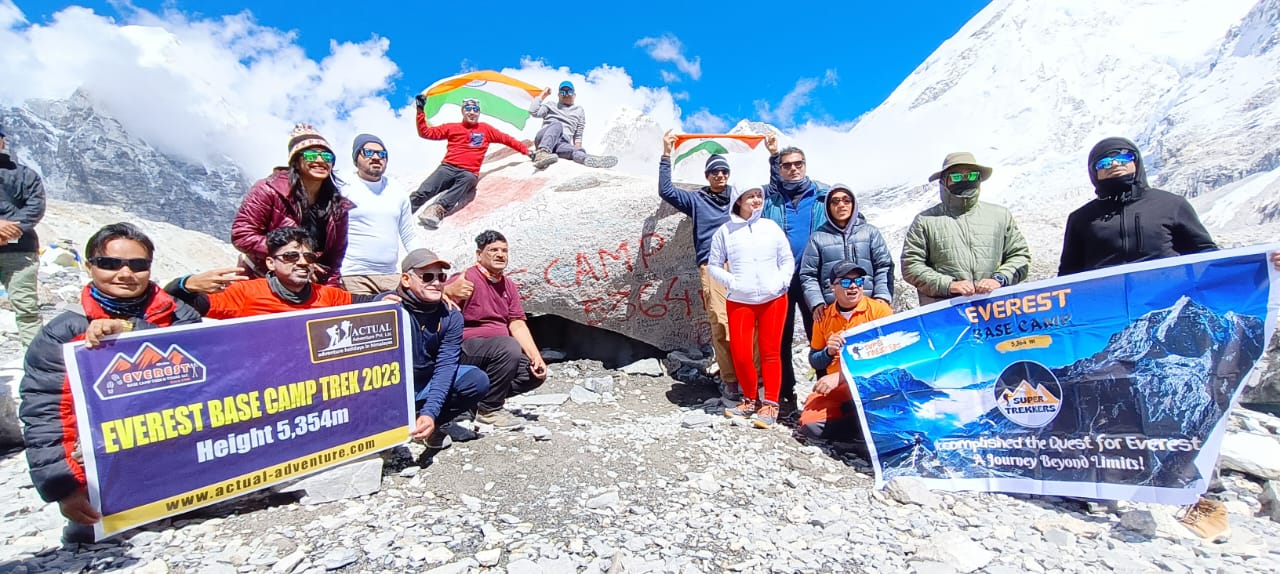
Autumn (mid-September to mid-December) and spring (March to May) are the best seasons to trek in Nepal. They bring stable weather, clear skies, comfortable temperatures and the sharpest mountain views of the year.
That does not make the rest of the year off-limits. Winter suits shorter, lower treks and sightseeing, and the summer monsoon is the ideal time for Nepal's rain-shadow regions such as Upper Mustang and Dolpo. Choosing the right season for the right route is the single biggest factor in how much you enjoy your trip.
This guide walks through each of Nepal's four trekking seasons: what the weather is really like, which treks and peaks suit it, and how the Nepal Trekking Trail team plans around it.
Autumn is Nepal's number-one trekking season. The monsoon rains wash the dust from the air, leaving crisp blue skies and some of the clearest Himalayan panoramas you will ever see.
Autumn traditionally begins in mid-September as the monsoon retreats. In recent years, though, the rains have often lingered into early October, so early-season trekkers should expect a few showers in the first weeks.
Once the monsoon clears, expect mostly sunny days with little rain. Clouds lift away from the peaks and mornings are especially clear.
It is rarely too hot or too cold on the trail, which makes long walking days comfortable and enjoyable.
Autumn is also Nepal's biggest festival season, which adds a cultural highlight to any trek.
If you would like to celebrate with local families, let us know and we can build festival days into your itinerary.
Based on many years of guiding, the Nepal Trekking Trail team recommends mid-September to mid-December above all other periods for trekking, touring and peak climbing. The weather is the most reliable of the year, views are at their best, and trails and teahouses are fully open.
The one trade-off is popularity: classic routes such as Everest Base Camp and Annapurna Base Camp are busy in October and November. Book flights to Lukla and teahouses early, or choose a quieter route.
Spring is Nepal's second great trekking and mountaineering season, and for many travellers it is the most beautiful. The hills turn green, wildflowers bloom and the forests blaze red, pink and white with rhododendron, Nepal's national flower.
Spring follows straight after winter. The cold retreats to higher altitudes and temperatures rise steadily day by day. Most days are sunny with clear blue skies, especially in the mornings.
By late May the pre-monsoon build-up begins. Afternoon clouds become more common and haze can soften distant views, so March and April usually offer the clearest skies.
For travellers who cannot come in autumn, spring is an equally rewarding time to experience the Himalaya.
Both peak seasons open up almost every route in Nepal, from short hill walks to remote base camps and 6,000-metre summits.
|
Region |
Trek |
Best for |
|---|---|---|
|
Everest |
Everest Base Camp Trek |
The classic Himalayan bucket-list trek |
|
Everest |
Everest Short Trek |
Everest views on a limited schedule |
|
Everest |
Gokyo Valley and Renjo La Pass Trek |
Turquoise lakes and a quieter alternative to EBC |
|
Everest |
Everest Three High Passes Trek |
Experienced trekkers seeking a full challenge |
|
Everest |
Pikey Peak Trek |
Off-the-beaten-path Everest panoramas |
|
Annapurna |
Annapurna Circuit Trek |
Diverse landscapes and the Thorong La pass |
|
Annapurna |
Annapurna Base Camp Trek |
A mountain amphitheatre in the heart of the range |
|
Annapurna |
Ghorepani Poon Hill Trek |
Short trek with a famous sunrise viewpoint |
|
Annapurna |
Mardi Himal Trek |
Ridge walking close to Machhapuchhre |
|
Annapurna |
Khayer Lake Trek |
A quiet, sacred lake below Annapurna South |
|
Langtang |
Langtang Valley Trek |
Close to Kathmandu, rich Tamang culture |
|
Langtang |
Langtang Valley and Gosaikunda Lake Trek |
Valley scenery plus the holy alpine lakes |
|
Manaslu |
Manaslu Circuit Trek |
A remote circuit around the world's eighth-highest peak |
|
Manaslu |
Tsum Valley Trek |
A hidden Buddhist valley |
|
Far East |
Kanchenjunga Base Camp Trek |
Wilderness trekking for seasoned walkers |
|
Far East |
Makalu Base Camp Trek |
Deep valleys and dramatic Himalayan scenery |
|
Peak |
Height |
Region |
|---|---|---|
|
Mera Peak |
6,476 m |
Everest (Hinku Valley) |
|
Chulu West |
6,419 m |
Annapurna |
|
Island Peak (Imja Tse) |
6,189 m |
Everest |
|
Lobuche East |
6,119 m |
Everest |
|
Yala Peak |
5,520 m |
Langtang |
Autumn and spring offer the most stable summit windows. Every climb includes acclimatisation days and an experienced climbing guide.
Winter is a good time for shorter, moderate treks and sightseeing, but not for long high-pass routes or peak climbing. Days are often bright and clear, yet temperatures drop sharply at altitude and heavy snowfall can block trails.
Temperatures are lower than in autumn and spring, though not extreme at lower elevations. Kathmandu and Pokhara stay pleasant by day, while nights in the mountains are very cold.
The main risk is unpredictability. A heavy snowfall can close high passes such as Thorong La or Cho La for days, cut a trek short, or stop you completing the full journey. Some high-altitude teahouses also close for the season.
The Nepal Trekking Trail team always tells winter travellers the same thing: come to Nepal, enjoy the quieter trails and sightseeing, but keep your trek short and moderate. Avoid planning long, high-pass adventures in these months.
A quality down jacket and a four-season sleeping bag are essential for any winter trek. We can arrange good-quality hire gear in Kathmandu.
Summer in Nepal is the monsoon season, and it is the least favourable time for most treks. Heavy rain makes trails muddy and slippery, triggers landslides, brings leeches to the forests, and often hides the mountains behind cloud. Domestic flights, especially to Lukla, are frequently delayed.
The monsoon is the perfect time for Nepal's rain-shadow regions. Sitting behind the main Himalayan range, they receive very little rainfall:
Trekking elsewhere in summer is possible with precautions, but we do not generally recommend it. Your safety always comes first.
If you do trek in the monsoon, build spare days into your itinerary, carry good rain gear and leech socks, and travel with an experienced guide who can judge trail conditions day by day.
The reward is a Nepal few visitors see: hills and valleys alive with vibrant green, waterfalls in full flow, fresh air, and almost empty trails.
|
Season |
Months |
Weather |
Best for |
Our rating |
|---|---|---|---|---|
|
Autumn |
Mid-Sep – mid-Dec |
Dry, sunny, clearest views |
All treks, high passes, peak climbing, festivals |
Highly recommended |
|
Spring |
Mar – May |
Warm, mostly clear, flowers in bloom |
All treks, peak climbing, rhododendron forests |
Highly recommended |
|
Winter |
Mid-Dec – early Mar |
Cold, often clear, snow risk at altitude |
Short and moderate treks, sightseeing |
Good with care |
|
Summer (monsoon) |
Late Jun – Sep |
Heavy rain, cloud, landslides |
Rain-shadow treks: Upper Mustang, Nar Phu, Dolpo, Kailash |
Selected routes only |
What is the single best month to trek in Nepal?
October is generally the best month, with the most stable weather and the clearest views. November is a close second and slightly quieter.
Can beginners trek in Nepal? Yes. Short treks such as Ghorepani Poon Hill, Mardi Himal or the Everest Panorama View Trek suit first-time trekkers in any season except the monsoon.
Is it too cold to trek in winter? Not at lower and moderate altitudes. With a good down jacket and sleeping bag, winter treks are comfortable and the trails are quiet. High passes are best avoided.
Can I trek during the monsoon? Yes, in rain-shadow regions such as Upper Mustang, Nar Phu and Dolpo. Elsewhere, monsoon trekking is possible but we do not usually recommend it.
Whichever season you choose, the right route makes all the difference. The Nepal Trekking Trail team, part of Actual Adventure, will match your dates, fitness and interests to the best trek or climb, and adjust your plans as the weather changes.
Contact us at www.nepaltrekkingtrail.com to start planning your Himalayan adventure. Welcome to Nepal!
Discover more articles that match your interests! Explore these similar blogs packed with insights, tips, and stories to keep you inspired.
Explore Nepal Trekking, Tours, Climbing, Rafting, and Adventure Activities...
Discover the world\'s most spectacular Himalayan trails with our Nepal Trekking Packages 2026/27. From the legendary Eve...
Which is the best trek in Nepal for first-time trekkers? Compare Poon Hill, Mardi Himal, Langtang, Annapurna Base Camp a...
Ready to explore Nepal? Choose your trail, prepare your body, pack smart and get ready to walk into the Himalayas....
Everest Base Camp Trek, Annapurna Circuit Trek, Manaslu Circuit Trek, Mardi Himal Trek, Langtang Valley Trek, and Upper ...
Trekking in Nepal: The Complete Guide to Routes, Permits, Best Seasons, and Tips from a Local Himalayan Guide...