Trekking In Nepal With Kids: 9 Best Family-friendly Routes (2027 Guide + Faqs)
By Nepal Trekking Trail On 12 Nov 2026

Quick Contact
By Nepal Trekking Trail On 12 Nov 2026
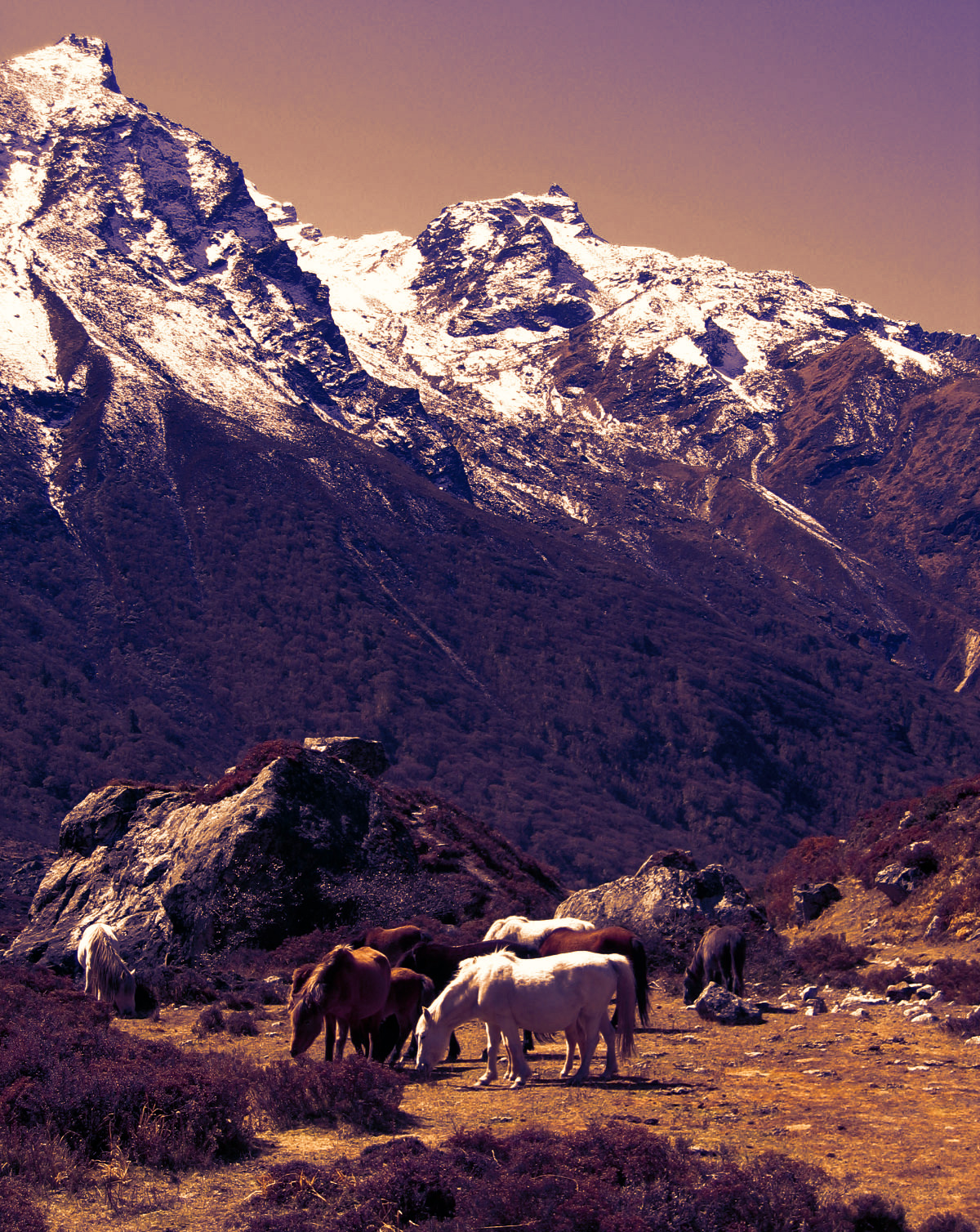
Yes, you can trek in Nepal with kids. The best family routes stay below about 3,000 m, have short walking days, and sleep in teahouses with road access never far away. Ghandruk, Poon Hill, Australian Camp and the Chisapani–Nagarkot trail are the classic picks.
Nepal is one of the most child-friendly trekking countries in the world. Village teahouses welcome families, porters can carry the heavy bags (and sometimes a tired child), and many routes start just an hour or two from Kathmandu or Pokhara. Children who would grumble on a long walk at home often love the suspension bridges, mule trains, monasteries and village kids on the trail.
This guide covers nine family-friendly treks, how to match a route to your child's age, altitude safety, permits and the 2026 guide rules, the best seasons, a packing list, and answers to the questions parents ask us most.
The table runs from easiest to hardest. Altitudes are approximate; ages are a guide for fit, active children, not a rule.
|
Trek |
Region |
Days |
Highest sleep (m) |
Highest point (m) |
Suggested age |
Difficulty |
|---|---|---|---|---|---|---|
|
Royal Trek |
Pokhara |
3–4 |
~1,700 |
~1,730 |
4+ |
Easy |
|
Australian Camp & Dhampus |
Pokhara |
2–3 |
2,060 |
2,060 |
4+ |
Easy |
|
Ghandruk Village Trek |
Annapurna |
3–4 |
1,940 |
1,940 |
5+ |
Easy |
|
Chisapani–Nagarkot |
Kathmandu Valley |
2–3 |
2,215 |
2,215 |
6+ |
Easy |
|
Panchase Trek |
Pokhara |
3–4 |
~2,500 |
~2,500 |
7+ |
Easy–moderate |
|
Ghorepani Poon Hill |
Annapurna |
4–5 |
2,860 |
3,210 |
8+ |
Moderate |
|
Helambu (lower loop) |
Langtang/Helambu |
5–6 |
~2,600 |
~2,600 |
8+ |
Moderate |
|
Everest View Trek |
Everest (Khumbu) |
6–7 |
3,440 |
~3,880 |
10+ |
Moderate |
|
Langtang Valley |
Langtang |
7–8 |
3,870 |
3,870+ |
12+ |
Moderate |
The Royal Trek is a gentle 3–4 day loop through the hills east of Pokhara, named after Prince Charles, who walked it in the 1980s. It passes Gurung, Brahmin and Chhetri villages, terraced rice fields and ridge-top viewpoints, then finishes at quiet Begnas Lake. Altitude stays under about 1,750 m, so altitude sickness is not a concern.
Why kids love it: village life up close, farm animals, and a lake at the finish. Walking days are 4–5 hours with plenty of stops.
From Kande, about an hour's drive from Pokhara, it is a 1.5–2 hour climb to Australian Camp (2,060 m), a grassy meadow facing Annapurna South, Hiunchuli and the fishtail peak of Machhapuchhre. Day two drops through Dhampus village back to the road. It is the easiest way to give young children a real Himalayan sunrise.
Why kids love it: open grass to run on, and huge mountains right in front of the lodge.
Ghandruk (1,940 m) is one of Nepal's best-known Gurung villages, with stone houses, slate roofs and a small Gurung museum. A 3–4 day itinerary can add the Landruk side or the natural hot springs at Jhinu Danda. Roads now reach close to the village, so you can shorten or extend days easily.
Why kids love it: trying on traditional Gurung dress, suspension bridges, and a soak in the hot springs.
This 2–3 day trek starts at Sundarijal on the edge of Kathmandu, climbs through Shivapuri Nagarjun National Park to Chisapani (2,215 m), then follows ridges to Nagarkot for sunrise over the Langtang and Ganesh ranges. A third day can end at the UNESCO-listed Changu Narayan temple. It suits families with limited time.
Why kids love it: forest with monkeys and birds, and a mountain sunrise without an early-morning climb.
Panchase starts with a boat across Phewa Lake from Pokhara and climbs through forests rich in orchids and birdlife to Panchase Bhanjyang (about 2,500 m). The name means “five lakes”, after the sacred ponds near the summit. It is quiet, uncrowded and rarely steep for long.
Why kids love it: the boat ride, bird spotting, and a hilltop with views of both the Annapurnas and Phewa Lake.
Poon Hill is Nepal's most popular short trek for families. Families sleep at Ghorepani (2,860 m) and climb before dawn to Poon Hill (3,210 m) for sunrise over Dhaulagiri and the Annapurnas, then descend via Tadapani and Ghandruk. The stone staircase up to Ulleri is the hardest part, so plan a short day there.
Why kids love it: the sunrise moment, rhododendron forests in bloom (March–April), and lively teahouses full of trekkers.
Helambu is home to the Hyolmo people, with Buddhist monasteries, prayer flags and apple orchards. A 5–6 day lower loop through Melamchi Gaon, Tarke Gyang and Sermathang stays around 2,500–2,600 m. Skip the higher Tharepati pass (about 3,600 m) with younger children.
Why kids love it: spinning prayer wheels, monastery visits, and friendly villages with few other trekkers.
Fly to Lukla (2,860 m), walk to Namche Bazaar (3,440 m), and take an acclimatisation day before visiting the Everest View viewpoint (about 3,880 m) and Khumjung village, home of the school founded by Sir Edmund Hillary. It is the only family trek on this list with a real view of Everest. Because it sleeps above 3,000 m, it suits children aged 10+ with a slow itinerary.
Why kids love it: the tiny-runway flight, Sherpa culture, yaks, and the bragging rights of seeing Everest.
Langtang starts with a drive to Syabrubesi and follows a river gorge up to the open valley and Kyanjin Gompa (3,870 m), with glaciers, yak pastures and a cheese factory. It is close to Kathmandu but high, so treat it as a trek for fit children 12+ who have trekked before. Skip the Kyanjin Ri side climb (about 4,700 m) with children.
Why kids love it: yaks, glaciers, and real high-mountain scenery without a flight.
Match the trek to your youngest or least-experienced child, not the oldest.
|
Age |
What works |
Best routes |
|---|---|---|
|
Under 3 |
Carried in a child carrier; 1–2 nights; sleep below 2,000 m |
Australian Camp, Royal Trek |
|
3–6 |
2–4 hours of walking a day, with a porter able to carry them when tired |
Royal Trek, Australian Camp & Dhampus, Ghandruk |
|
7‐9 |
4–5 hours a day; short climbs; sleep below 3,000 m |
Chisapani–Nagarkot, Panchase, Ghandruk loop |
|
10–12 |
5–6 hours a day; one pre-dawn start is fine |
Ghorepani Poon Hill, Helambu, Everest View (slow itinerary) |
|
13+ |
Full trekking days; ready for higher valleys with acclimatisation |
Langtang Valley, Everest View, Mardi Himal (with experience) |
Also think about your child's fitness and attitude. A child who hikes at weekends will manage far more than one who has never walked for a full day. Do a few long practice walks at home first.
Children get altitude sickness at about the same rate as adults, but it is harder to spot. Young children may not say “I have a headache”; they become cranky, stop eating, sleep badly or lose interest in play.
Fees change from time to time, so your trekking agency should confirm current rates when you book.
|
Season |
Months |
With kids |
|---|---|---|
|
Autumn |
October–November |
Best: clear views, dry trails, mild days. Busiest season. |
|
Spring |
March–May |
Very good: warm days, rhododendrons in bloom; afternoon haze or showers. |
|
Winter |
December–February |
Good for low treks under 2,500 m; cold nights higher up. |
|
Monsoon |
June–September |
Not recommended: rain, leeches, landslides and cloud. |
Yes, on the right route and with a good team. Teahouse treks are well established and villages are friendly to families. The main risks are altitude, falls on steep steps, stomach upsets and sun, and all of these are manageable with a sensible route, a licensed guide and a slow pace.
For most families it is Ghorepani Poon Hill (ages 8+) or the Ghandruk Village Trek (ages 5+). For toddlers, Australian Camp is the easiest overnight trek with big mountain views.
There is no legal minimum age. Babies and toddlers can come along in a child carrier on low treks. For walking under their own steam, around 5–6 is a good starting age for easy routes, and 8+ for Poon Hill.
A conservative guideline is to sleep below 2,000 m with under-2s and below 3,000 m with children aged 2–10. Older children can go higher with a slow itinerary, rest days and medical advice. Every child is different, so watch your own child closely.
Yes, at about the same rate as adults. The difference is that young children cannot always explain how they feel. Irritability, not eating, unusual sleepiness or vomiting at altitude should be treated as altitude sickness until proven otherwise.
We do not recommend Everest Base Camp (5,364 m) for young children. The Everest View Trek to Namche Bazaar and the Everest viewpoint is a far safer way for children aged 10+ to see Everest.
Plan 2–4 hours for ages 3–6, 4–5 hours for ages 7–9, and 5–6 hours for older children. Build in snack breaks, play time and an early finish.
Children under 10 do not need an ACAP permit in the Annapurna region. Rules for other parks and the TIMS card can differ, so your agency will arrange the correct permits for each family member.
Yes. Foreign trekkers need a licensed guide on most routes in Nepal's national parks and conservation areas. For families, a guide is also the person who reads the trail, knows the teahouses and helps if a child gets sick.
On many family treks, experienced porters carry young children in a proper child carrier, either all day or when they are tired. Tell your agency in advance so they can assign the right porter and equipment.
Teahouses are simple lodges with twin rooms, shared bathrooms and a warm dining room with a stove. Many have family rooms or can push beds together. Hot showers, Wi-Fi and phone charging are usually available for a small fee.
Menus include dal bhat (rice and lentils), fried rice, noodles, pasta, pizza, pancakes, porridge, eggs, soups and chips. Bring familiar snacks from home for fussy days. Stick to cooked food and purified water.
October–November is best for clear views and stable weather. March–May is also excellent, with warmer days and blooming rhododendrons. Avoid the June–September monsoon.
On low family treks you are rarely far from a road, so a jeep can usually reach you. Your guide will adjust the plan, add a rest day or arrange a descent. For serious emergencies, helicopter evacuation is possible, which is why insurance matters.
Cost depends on the route, group size, hotel level and whether you want porters, private transport or flights. Ask a registered agency for a family quote that includes permits, guide, porters, meals and transport so there are no surprises.
The best family trek in Nepal is the one your child finishes smiling. Start low and short with Australian Camp, the Royal Trek or Ghandruk. Move up to Poon Hill once your children are 8 or older, and save Everest View and Langtang for confident, experienced older kids.
Plan for short days, a flexible itinerary, a family-experienced licensed guide and porters, and you will find that children often enjoy the Himalaya even more than their parents.
Ready to plan your family trek? Contact our team for a custom, kid-friendly itinerary with permits, guide, porters and transport arranged for you.
Discover more articles that match your interests! Explore these similar blogs packed with insights, tips, and stories to keep you inspired.
Explore Nepal Trekking, Tours, Climbing, Rafting, and Adventure Activities...
Discover the world\'s most spectacular Himalayan trails with our Nepal Trekking Packages 2026/27. From the legendary Eve...
Which is the best trek in Nepal for first-time trekkers? Compare Poon Hill, Mardi Himal, Langtang, Annapurna Base Camp a...
Ready to explore Nepal? Choose your trail, prepare your body, pack smart and get ready to walk into the Himalayas....
Everest Base Camp Trek, Annapurna Circuit Trek, Manaslu Circuit Trek, Mardi Himal Trek, Langtang Valley Trek, and Upper ...
Trekking in Nepal: The Complete Guide to Routes, Permits, Best Seasons, and Tips from a Local Himalayan Guide...